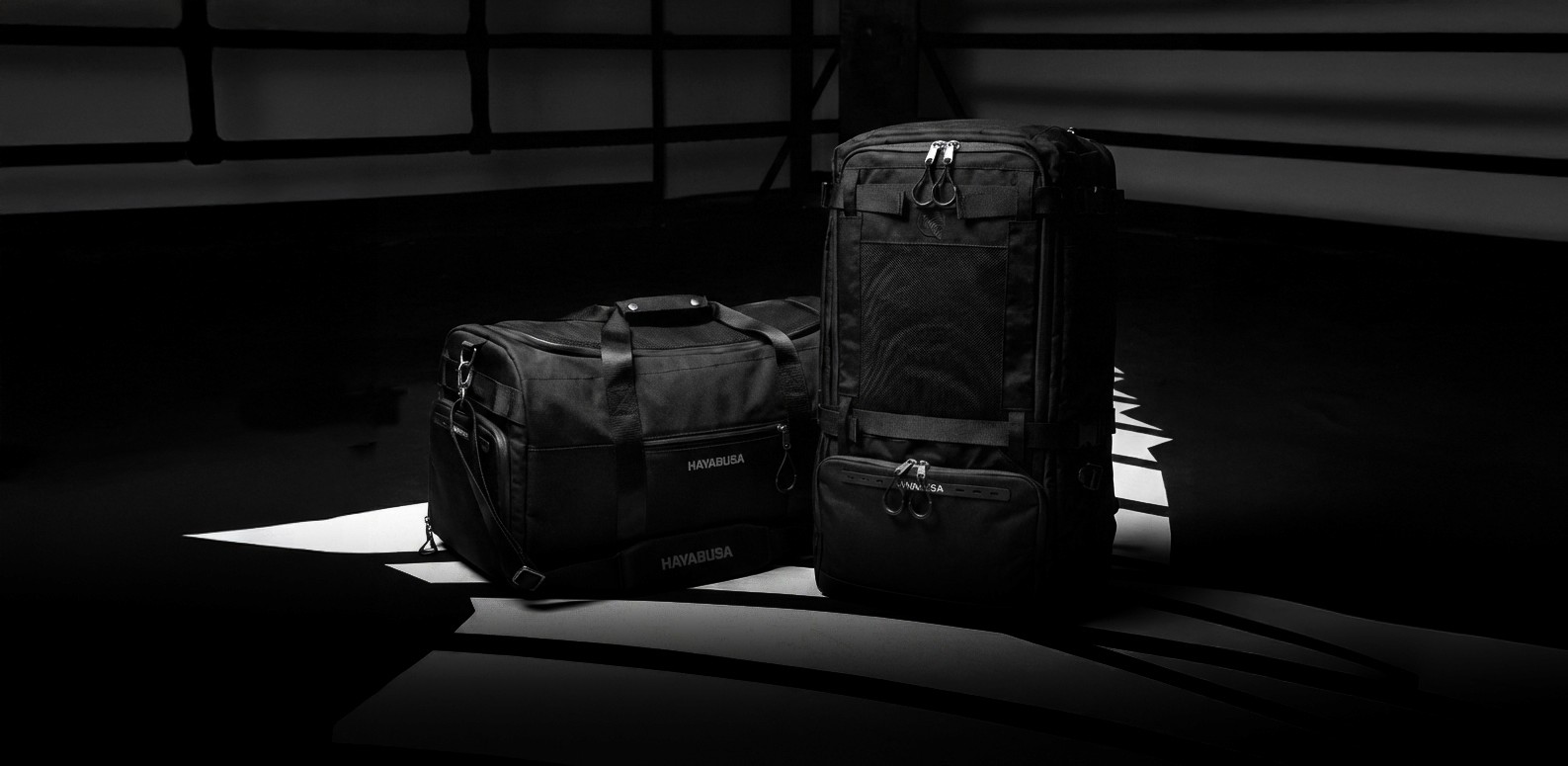
Airstream Carry System
A carry system inspired by camping and built for combat athletes.
A carry system inspired by camping and built for combat athletes.
Overview
Overview
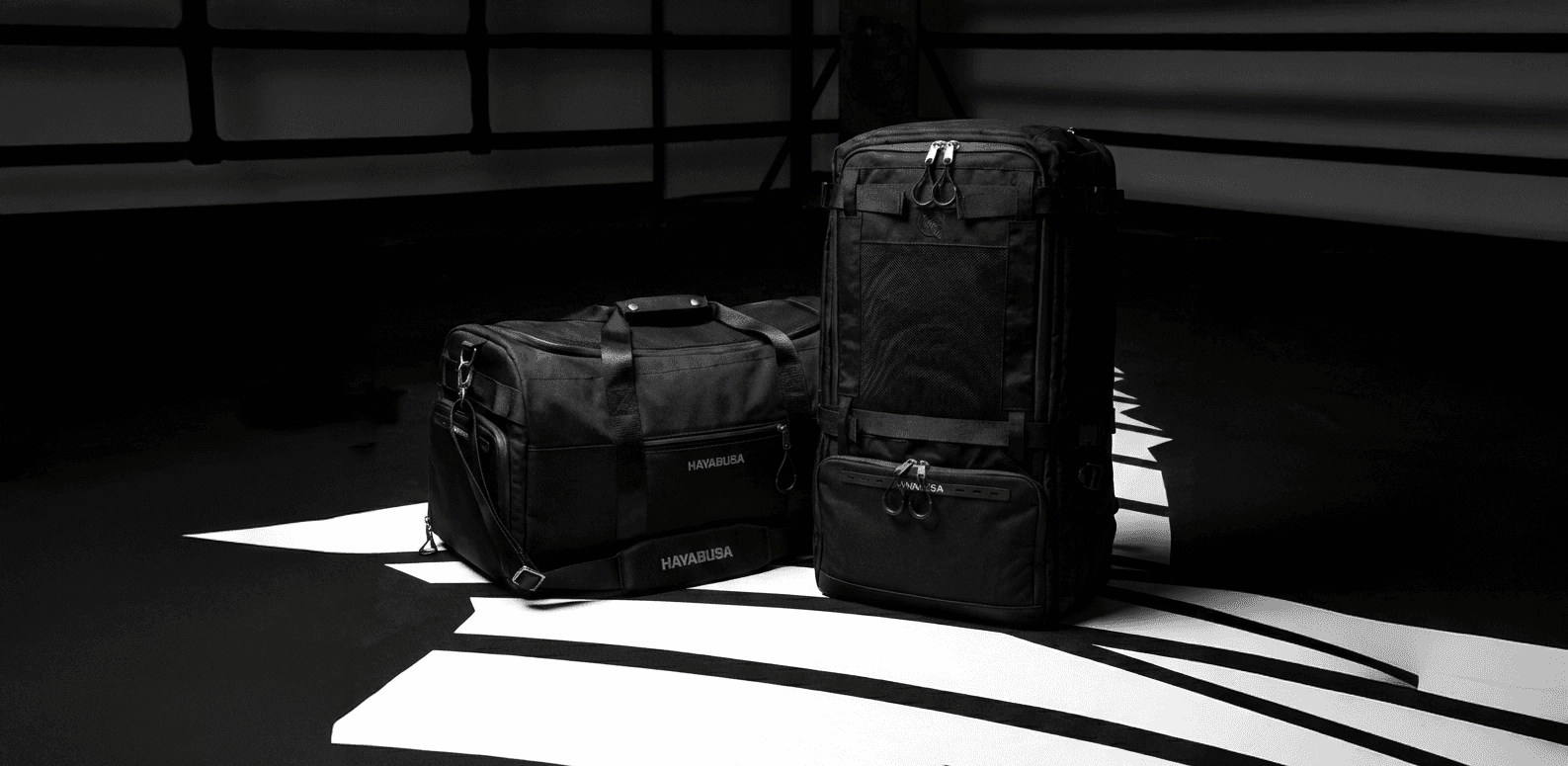
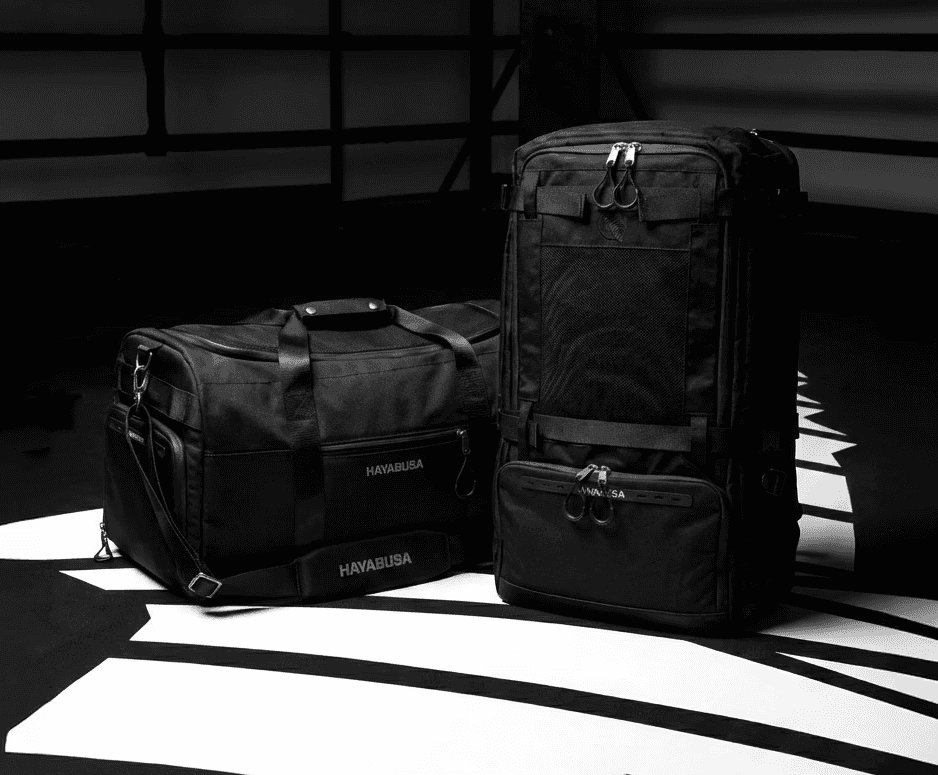
The Airstream Carry System was developed to address the challenges combat athletes face when transporting bulky, sweat-soaked gear. Through research across multiple disciplines, I identified consistent issues with existing bags including poor organization, limited capacity, and trapped odor and moisture. Drawing inspiration from outdoor equipment, the Airstream system introduces a controlled dual-zip ventilation approach that gives athletes the flexibility to choose between full protection or breathable airflow depending on their needs.
The Airstream system was first launched as a duffle bag and later expanded into a technically advanced backpack platform.
Combat athletes carry bulky, sweat-soaked gear that traditional athletic bags fail to organize, ventilate, or protect effectively. The Airstream system introduces a controlled dual-layer ventilation architecture, giving athletes the ability to choose between sealed protection and breathable airflow depending on their needs.
Launched first as a duffle and later expanded into a load-bearing backpack platform.
Company
Hayabusa Fightwear
Hayabusa Fightwear
Role
Lead Industrial Designer
Lead Industrial Designer
Solo Project
Solo Project
Launch
Duffle Bag | 2024
Duffle Bag | 2024
Backpack | 2026
Skill Focus
Systems Thinking
Feature Architecture
User Insights
Problem
The Problem
Traditional athletic bags fail combat athletes’ daily needs
Combat sports athletes carry a wide range of bulky, sweat-soaked gear including gloves, shin guards, headgear, wraps, and clothing. Across traditional athletic bags, these items are often forced into a single compartment, leading to poor organization, limited usable space, and trapped moisture and odor. Over time, these shortcomings not only make daily training more inconvenient but also accelerate wear, hygiene issues, and damage to expensive equipment.
Traditional athletic bags are not designed for combat sports. Gloves, shin guards, wraps, and sweat-soaked apparel are forced into single compartments, leading to poor organization, trapped moisture, odor buildup, and accelerated gear wear.
Observed issues across traditional athletic bags
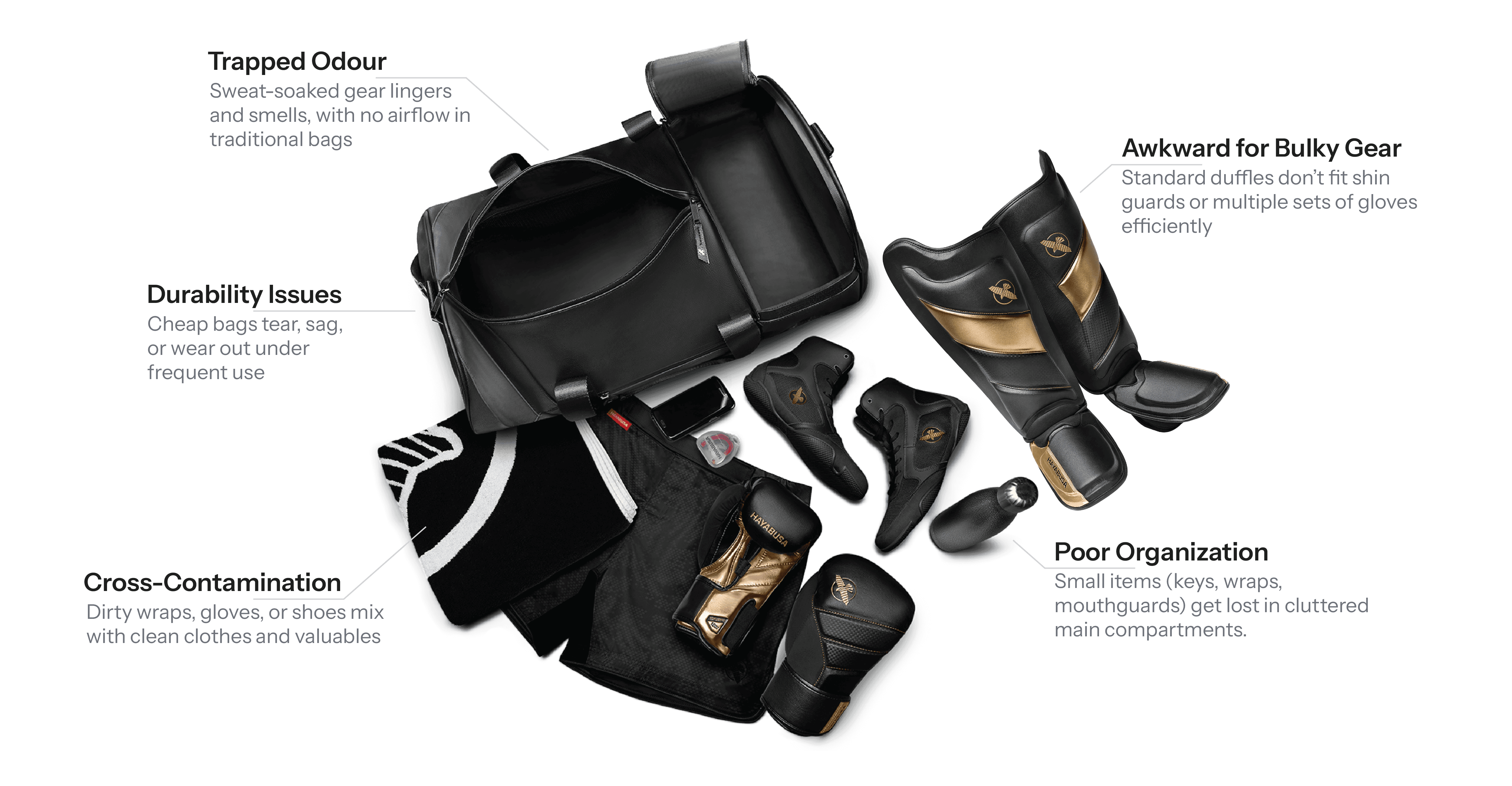
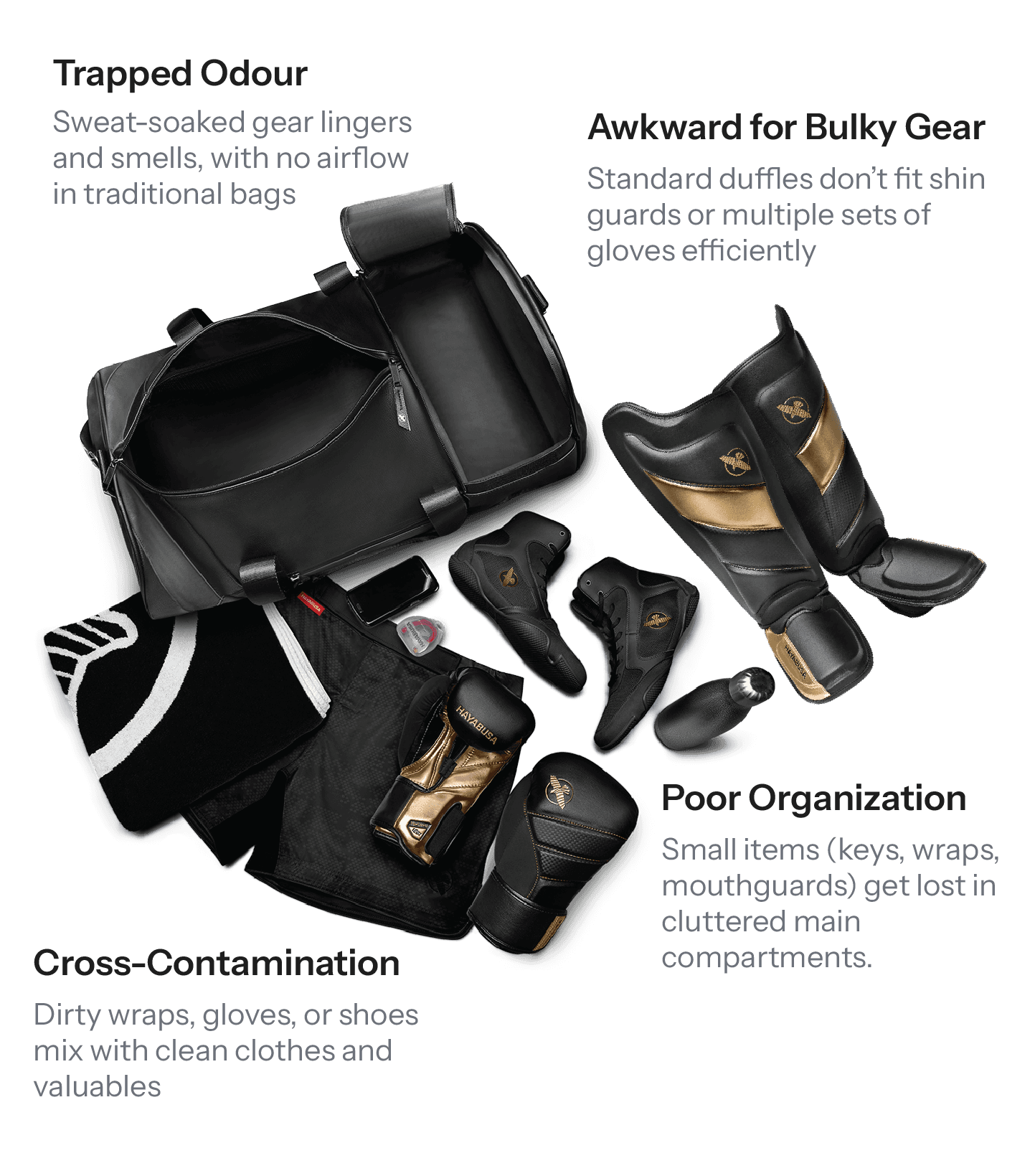
These recurring issues highlighted the need for a carry system designed specifically around the realities of combat sports training.
These recurring issues revealed the need for a purpose-built carry system designed specifically for combat athletes.
Research & Key Insights
Key Insights
Understanding athlete carry behaviors
To better understand how athletes transport and manage their gear, I conducted research across multiple combat sports disciplines including boxing, Muay Thai, and jiu-jitsu. The goal was to uncover patterns in how athletes pack, carry, store, and maintain their equipment before and after training, and to identify where existing carry solutions consistently fall short.
Research across multiple combat disciplines revealed consistent patterns in how athletes pack, store, and manage their gear.
Ventilation is situational
Athletes need airflow after training to reduce odour and moisture, but still require protection during transport and storage.
Clean and dirty gear must be separated
Mixing sweat-soaked equipment with clean clothing leads to hygiene issues and premature material breakdown.
Bulky gear demands flexible capacity
Rigid compartments and standard layouts fail to accommodate oversized equipment like shin guards and gloves.
Carry extends beyond training
Athletes rely on one bag to support training, commuting, and travel, requiring versatility and durability.
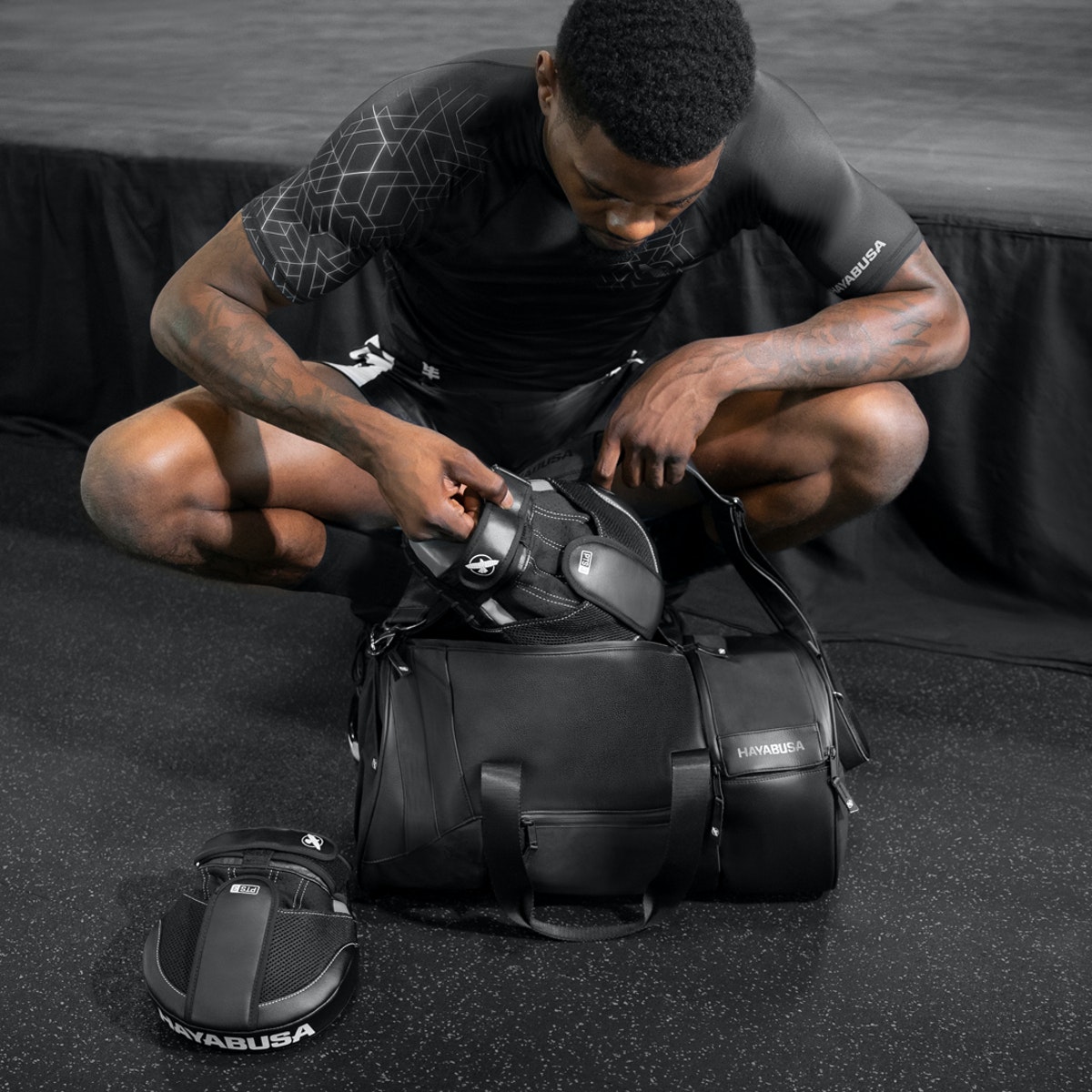
Ventilation is situational
Athletes need airflow after training, but full protection during transport and storage.
Clean and dirty gear must be separated
Sweat-soaked equipment accelerates odor and material breakdown when mixed with clean items.
Bulky gear demands flexible capacity
Gloves, shin guards, and headgear require adaptable layouts, not fixed compartments.
Competitive Landscape
Evaluating carry solutions across combat sports and technical carry
Most duffle and backpack solutions for athletes offer either durability or basic separation, but none deliver true ventilation and organization tailored for combat sports gear.
To understand where the Airstream Duffle could stand apart, I studied both direct combat-sports duffles and technical commuter/outdoor bags. Each offered strong features, but none solved odour, hygiene, and bulky gear challenges together.
Existing combat-sports bags reveal consistent tradeoffs between capacity, organization, and ventilation.
Competitive Landscape
Hayabusa Current Lineup
Before exploring external competitors, I evaluated Hayabusa’s existing carry products to understand where current solutions performed well and where opportunities for improvement existed.
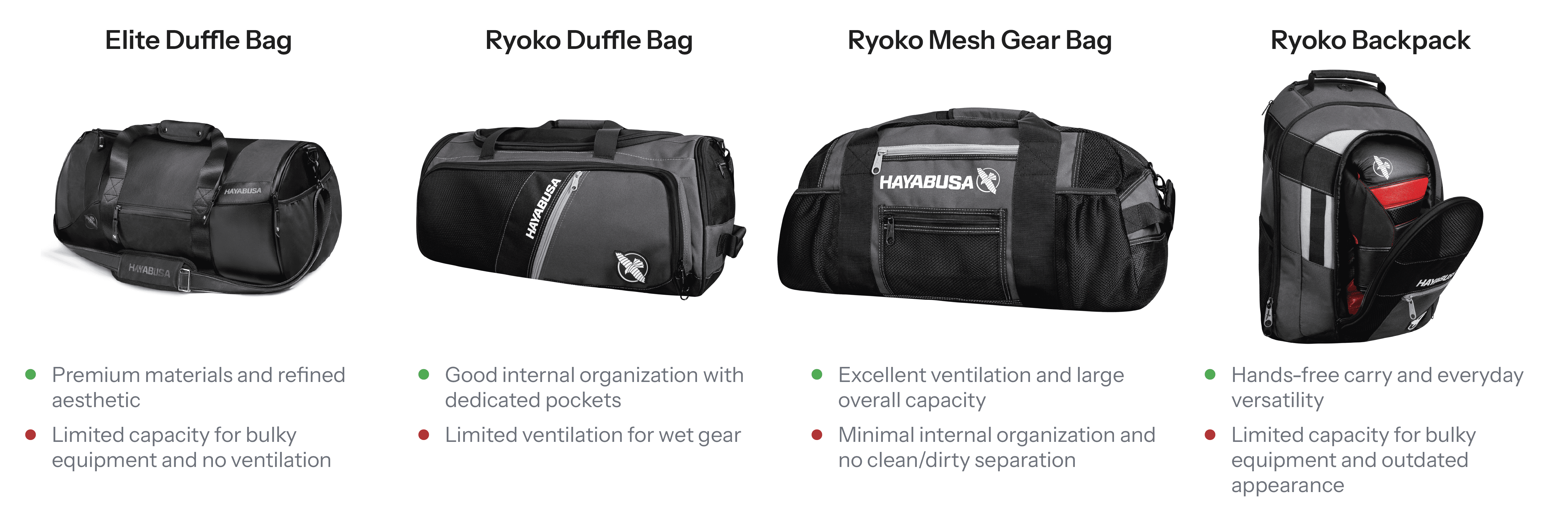
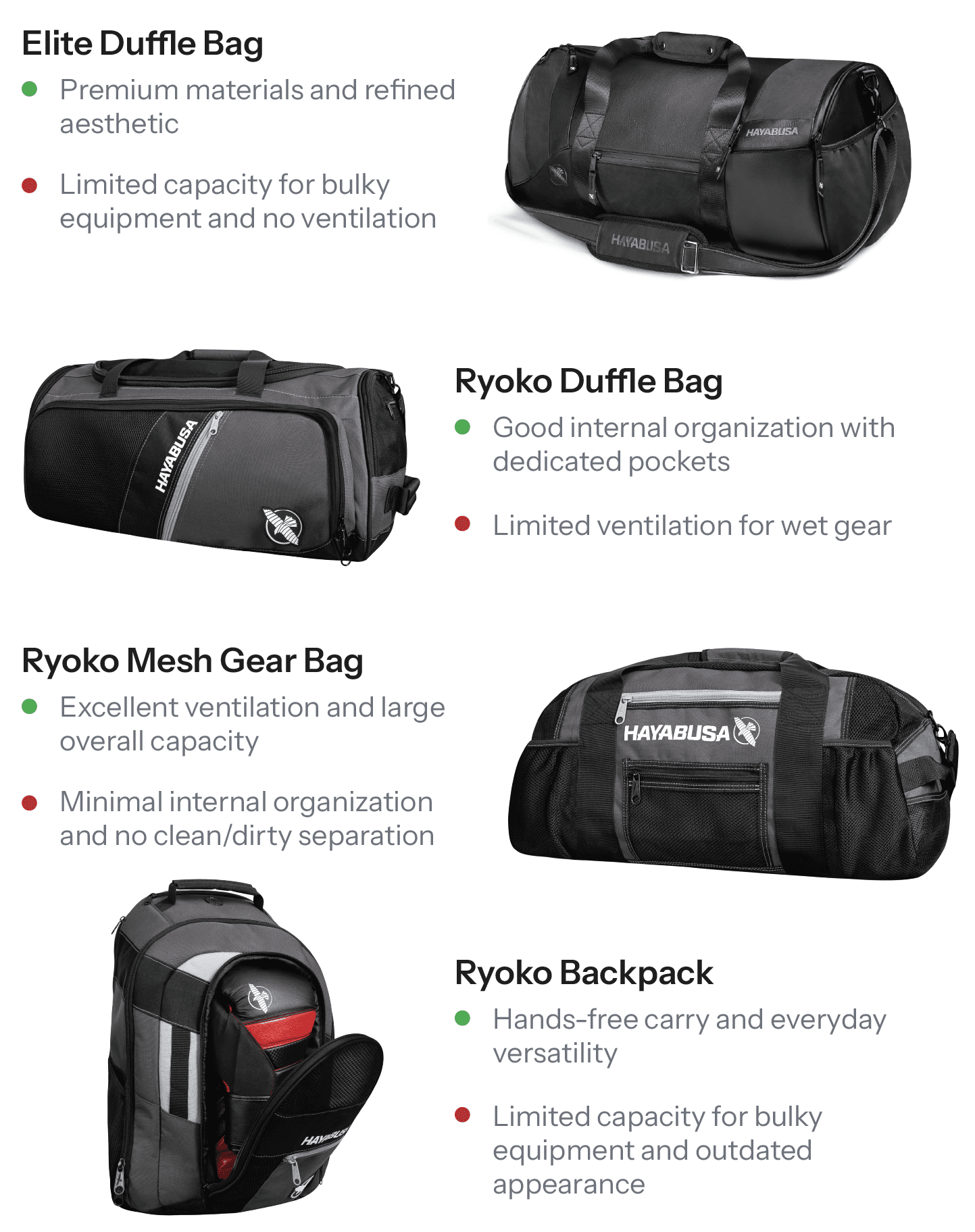
Direct Competitors | Combat Sports Bags
An analysis of combat-sports duffles and backpacks revealed consistent tradeoffs between capacity, organization, and ventilation across the category.
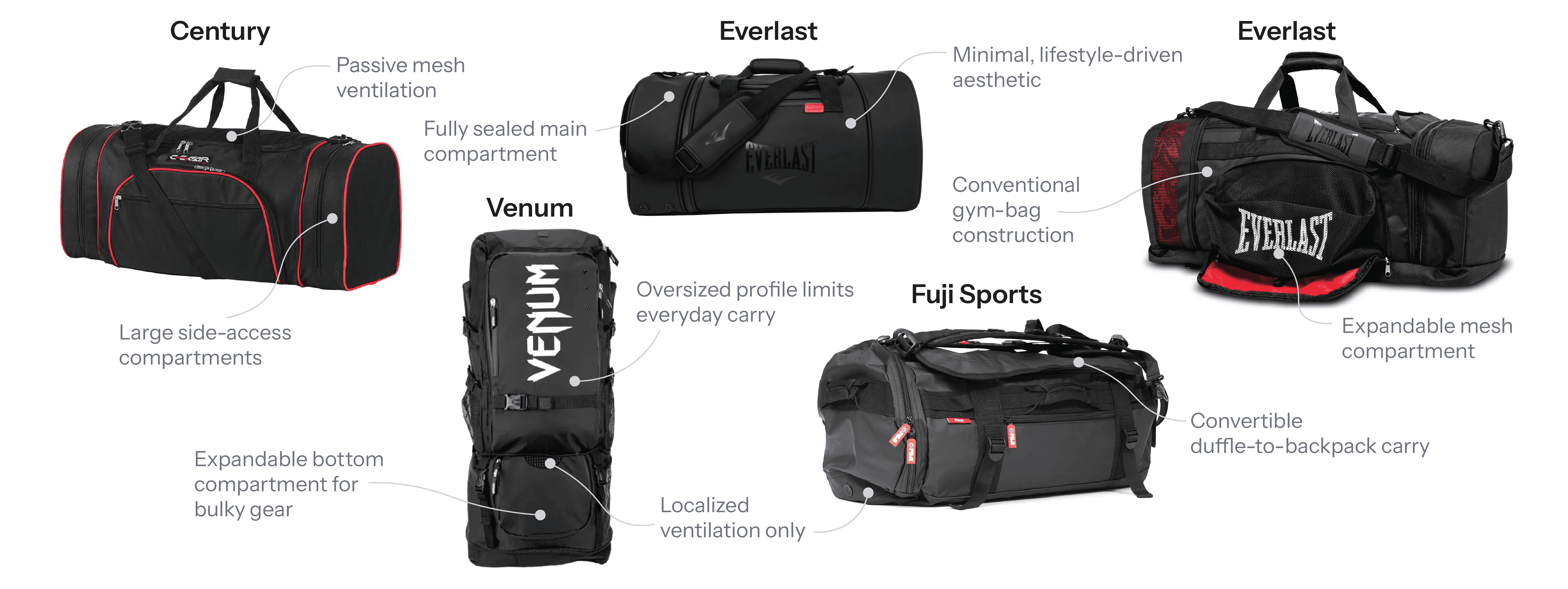
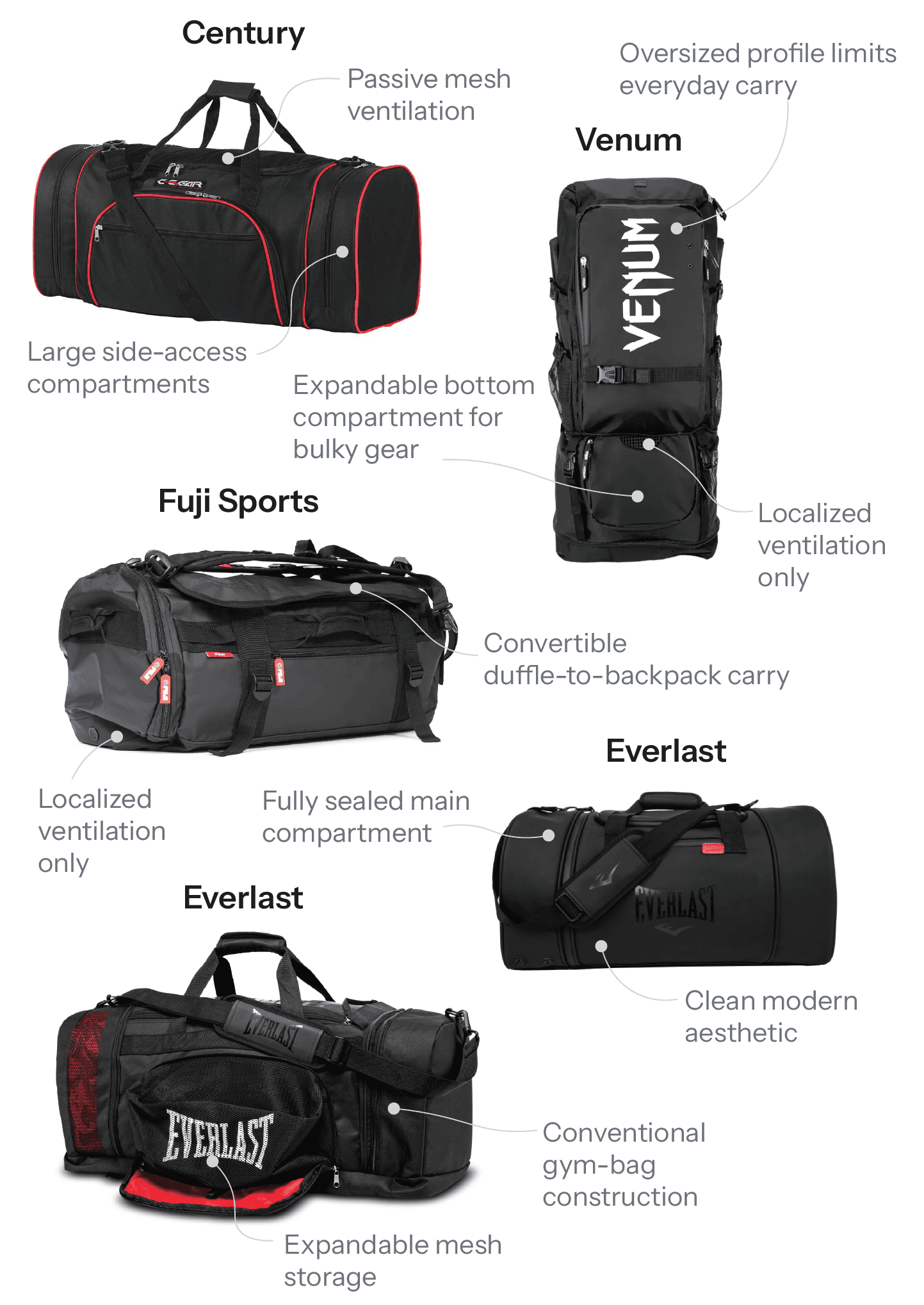
Key Market Insight: Most combat-sports bags prioritize either storage volume or organization, but rarely address ventilation and hygiene. As a result, athletes are forced to compromise between carrying capacity, odour control, and everyday usability.
Indirect Competitors | Technical, Travel & Outdoor Carry
Indirect Competitors | Technical, Travel & Outdoor Carry
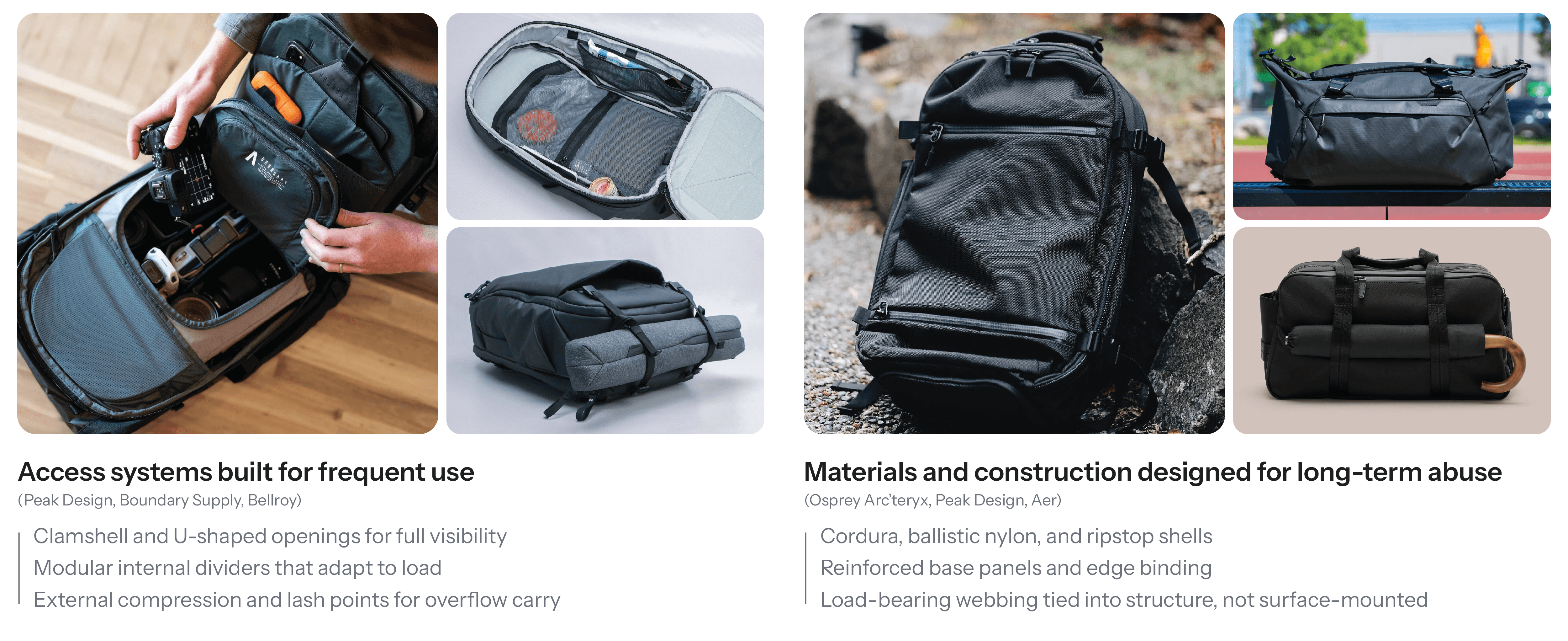
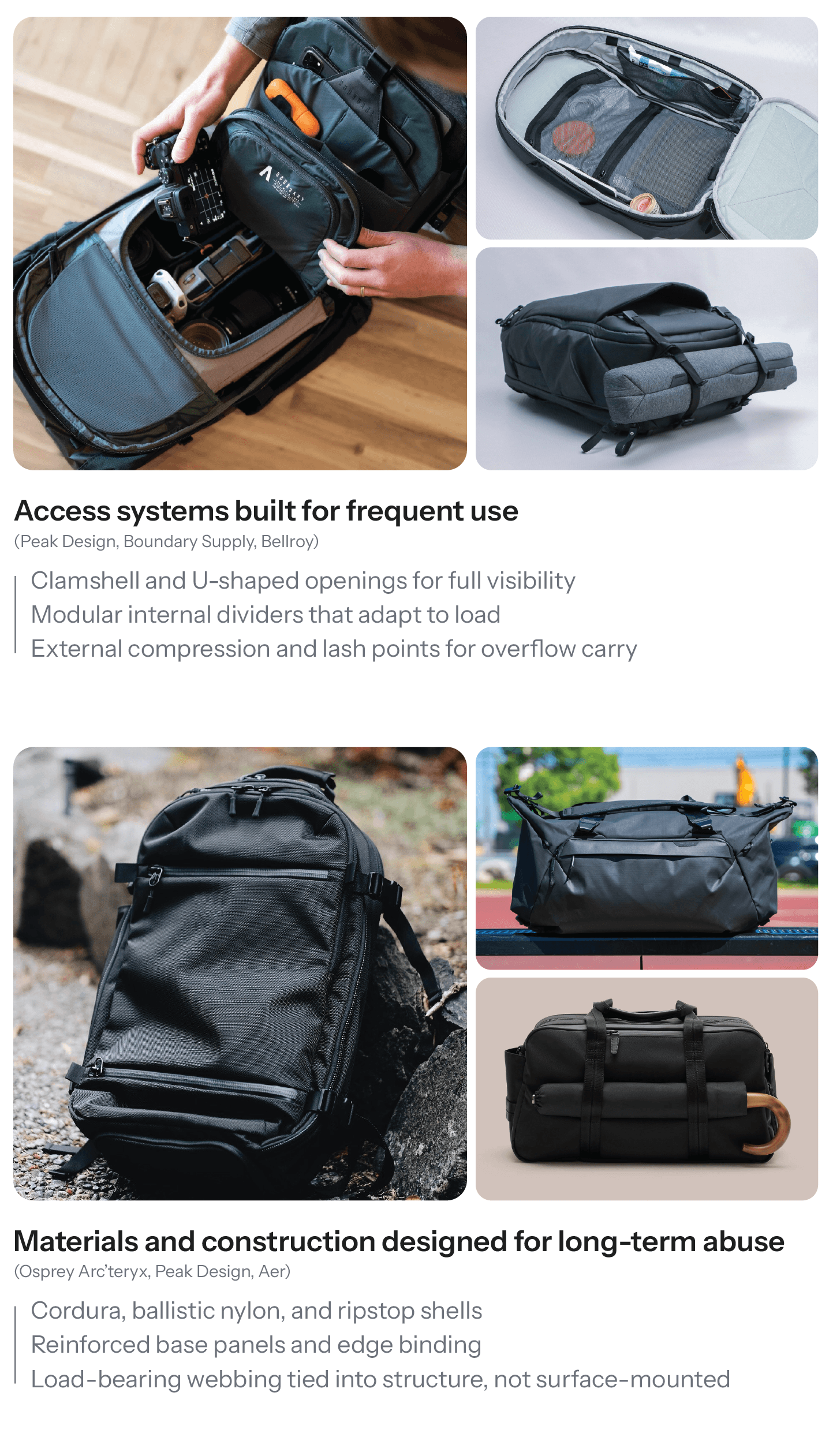
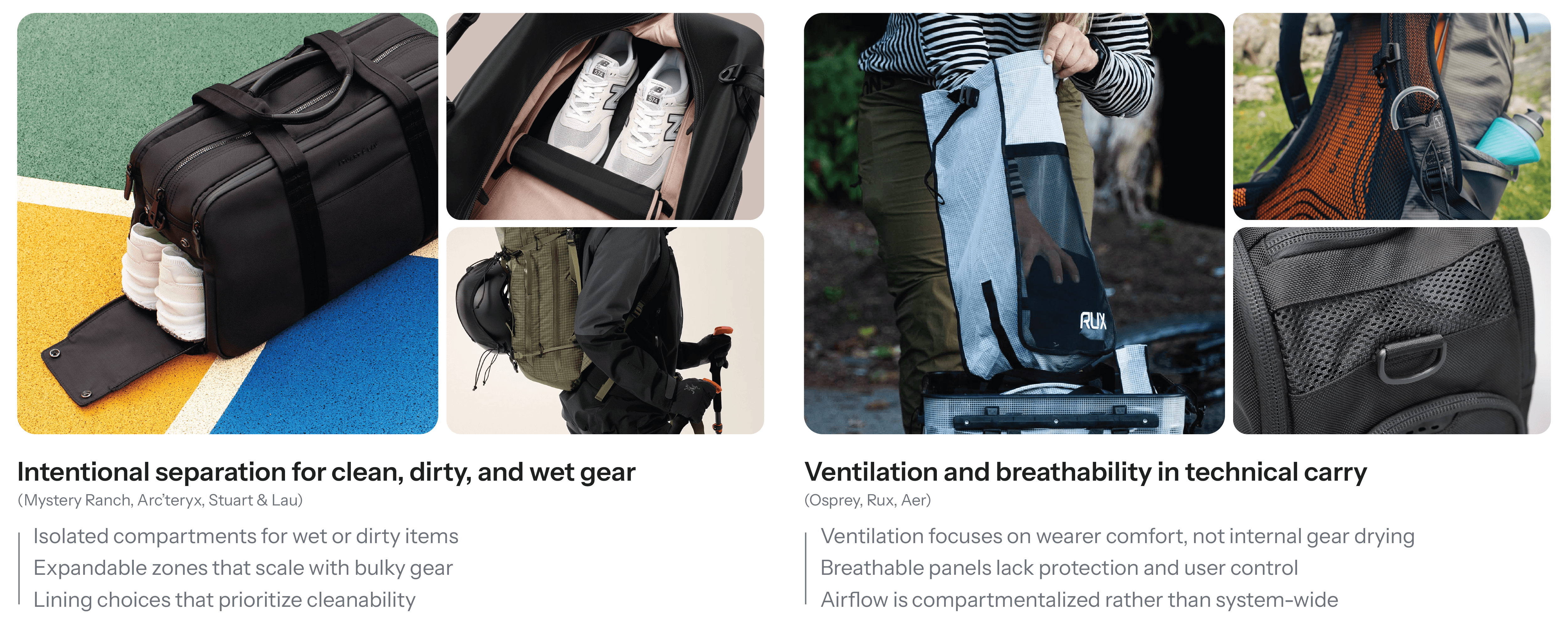
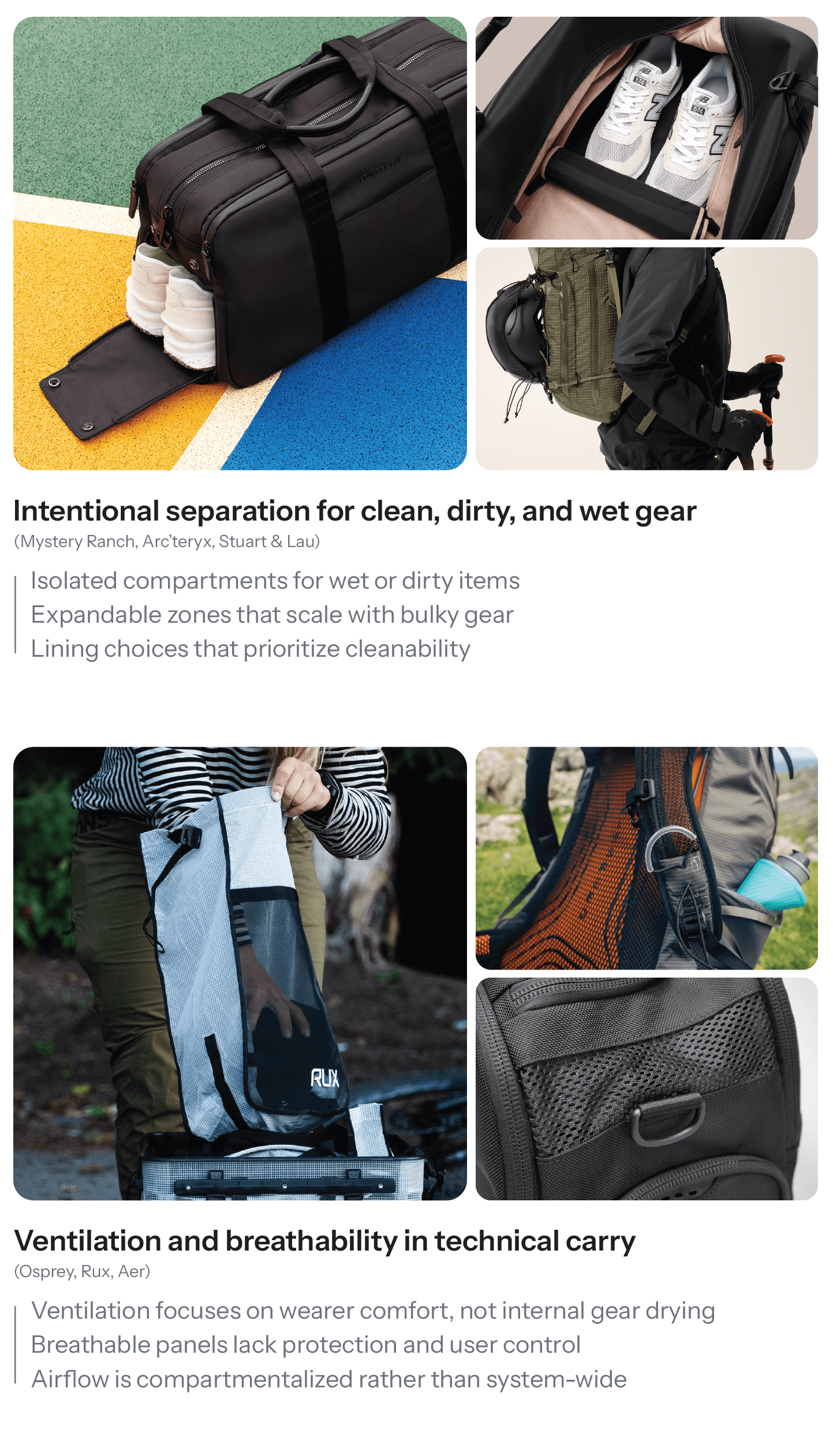
To push beyond conventional gym and combat bags, I studied high-performance carry systems across technical commuter, travel, camera, outdoor, and winter sports categories. While these products serve different use cases, they consistently solve for durability, modular organization, and load adaptability in ways combat-sports bags often overlook.
To push beyond conventional gym bags, I studied high-performance carry systems across technical and outdoor categories. These products consistently solve for durability, modular organization, and load adaptability in ways combat-sports bags often overlook.
Opportunity
Across categories, the strongest carry solutions treat access, durability, organization, and ventilation as interconnected systems. The lack of this integration in combat-sports bags revealed an opportunity to redefine how performance gear is carried.
Across categories, the strongest carry solutions treat access, durability, organization, and ventilation as interconnected systems. The lack of this integration in combat-sports bags revealed an opportunity to redefine how performance gear is carried.
Concept Development
Translating resarch insights into a scalable carry system
With a clear opportunity identified, the focus shifted toward defining a carry system that integrates ventilation, organization, and durability without being tied to a single bag format.
With a clear opportunity identified, the focus shifted toward defining a carry system that integrates ventilation, organization, and durability without being tied to a single bag format.
Initial Ideation | Exploring system-level constraints
Initial Ideation
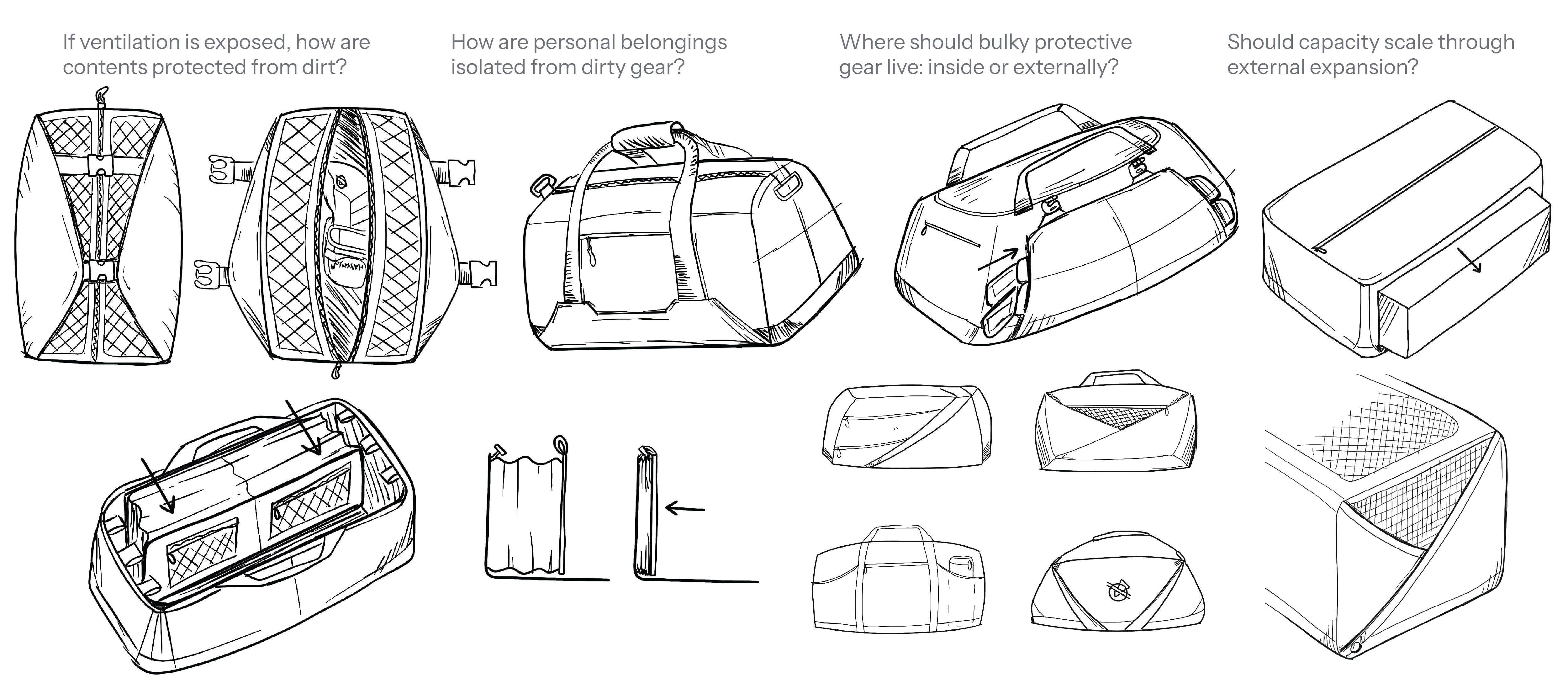
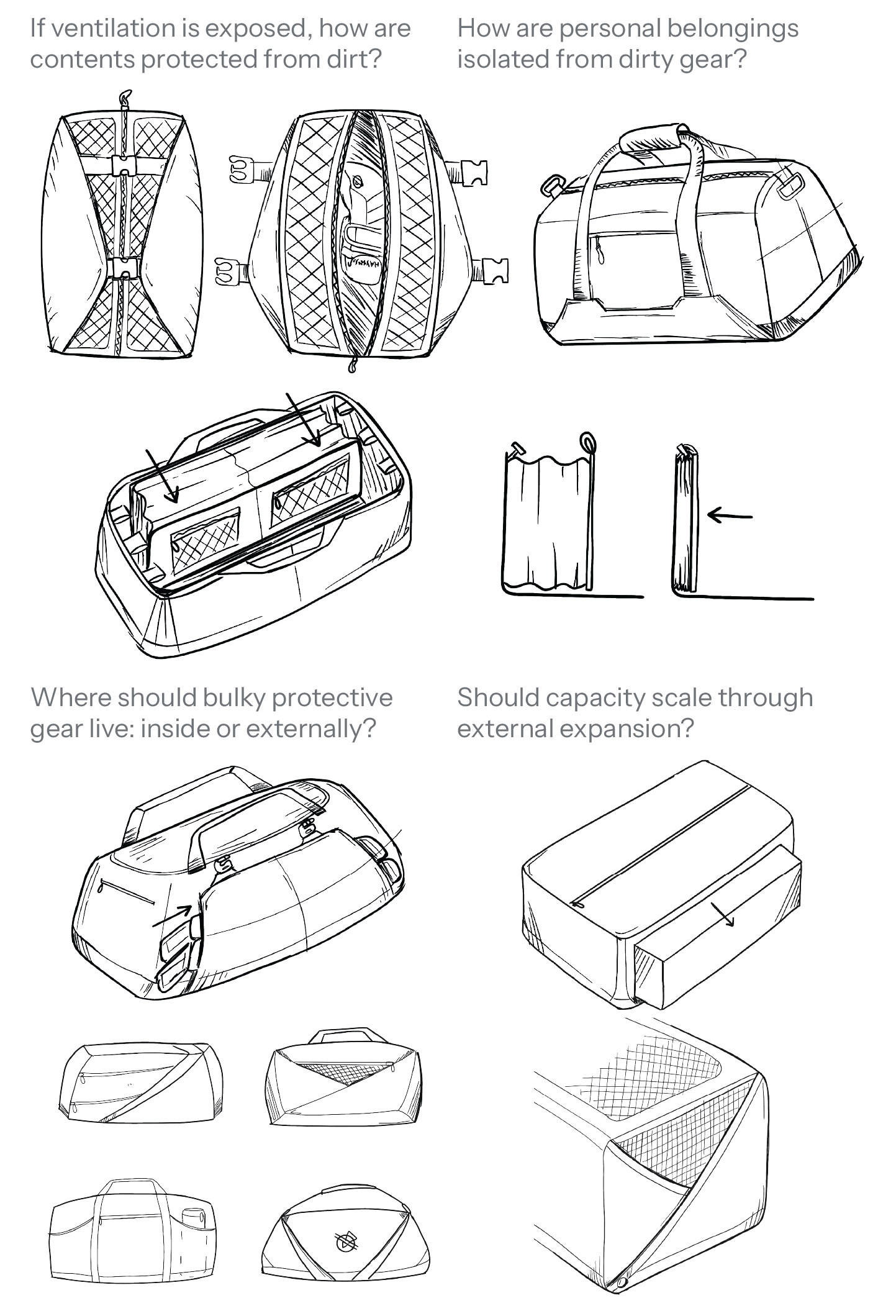
These early questions helped define a set of design principles that guided all subsequent concept development.
Design Principles
Design principles defining the Airstream carry system
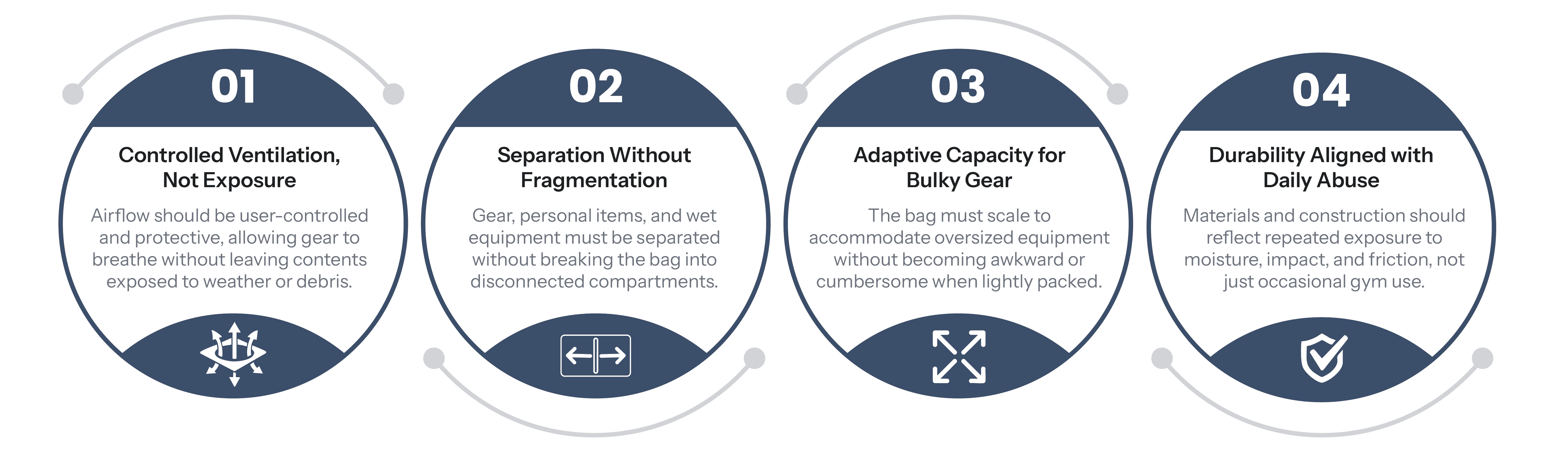
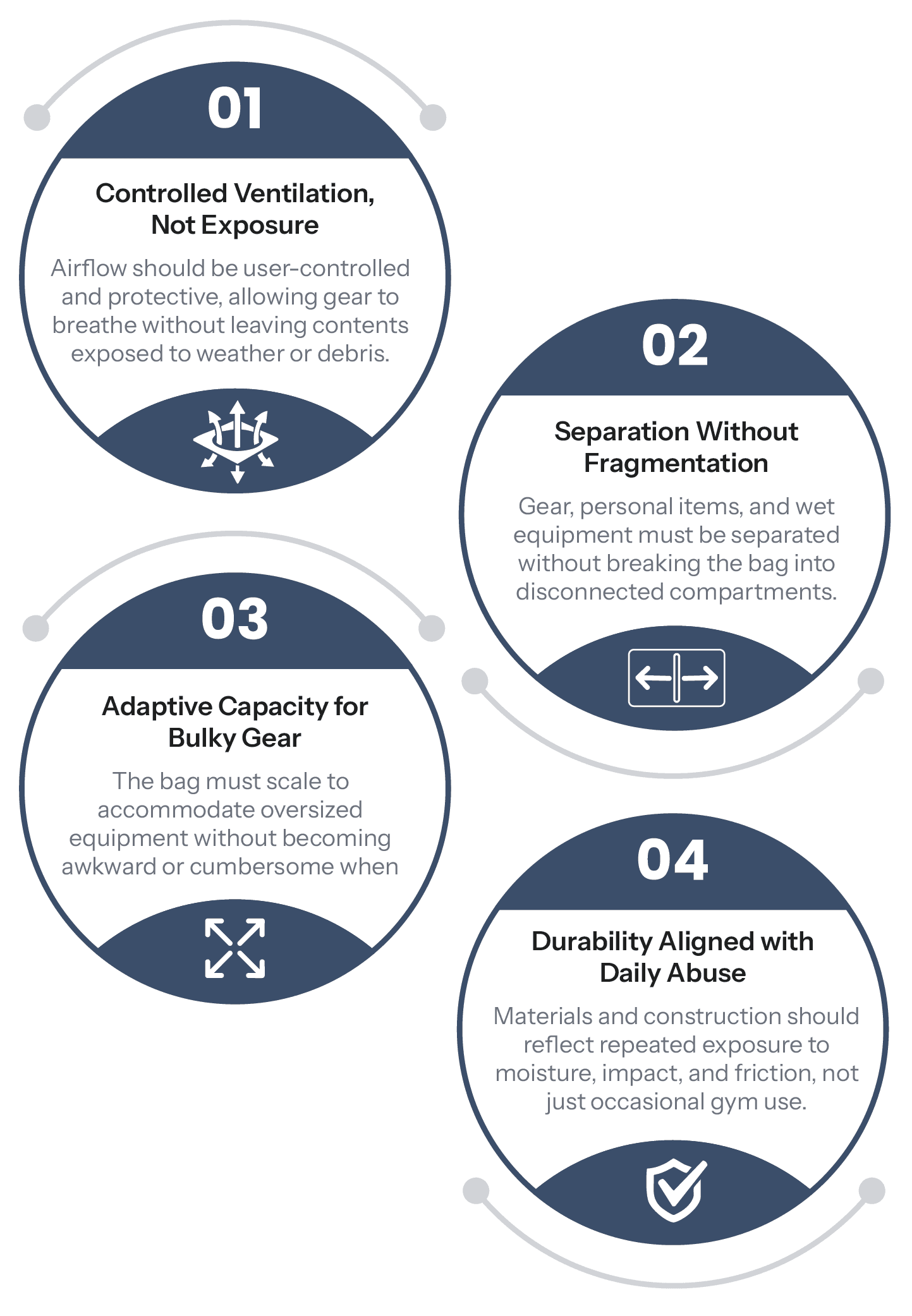
Cross-industry Inspiration
Translating outdoor airflow systems into athletic carry
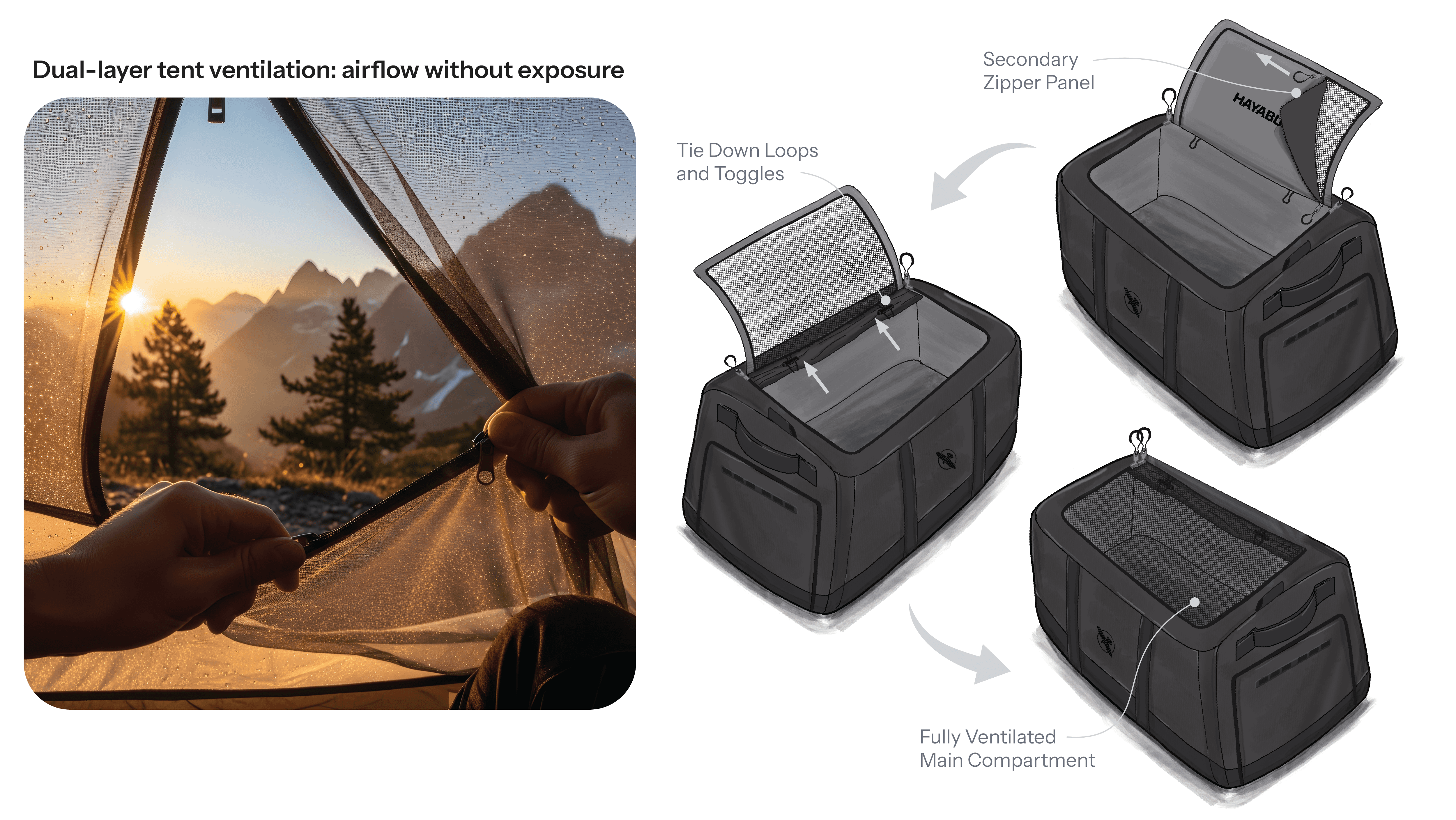
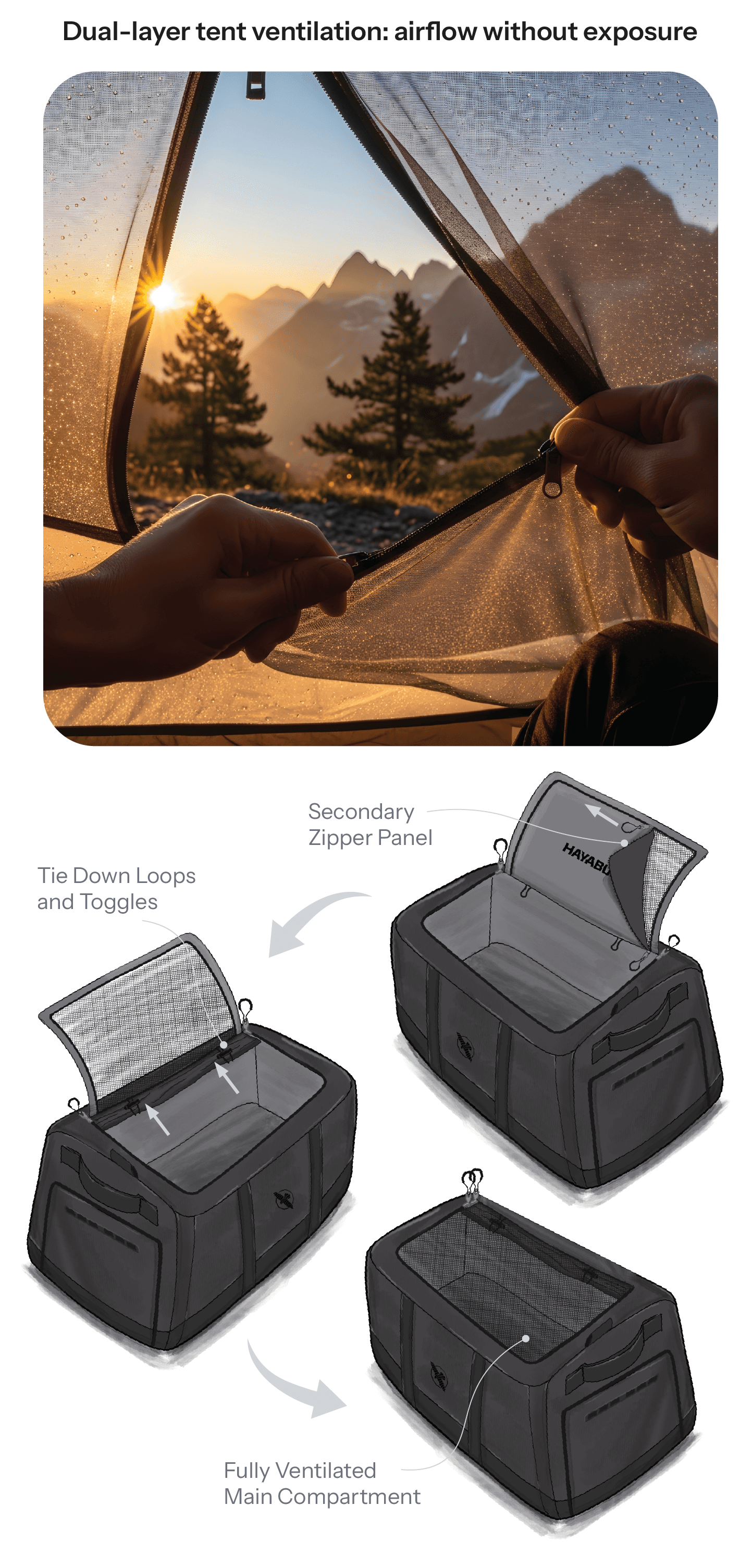
During early exploration, I found few examples of bags using controlled, dual-layer airflow systems. That insight emerged later through analysis of camping tents, where ventilation is designed to manage airflow without exposing contents to rain, dust, or insects.
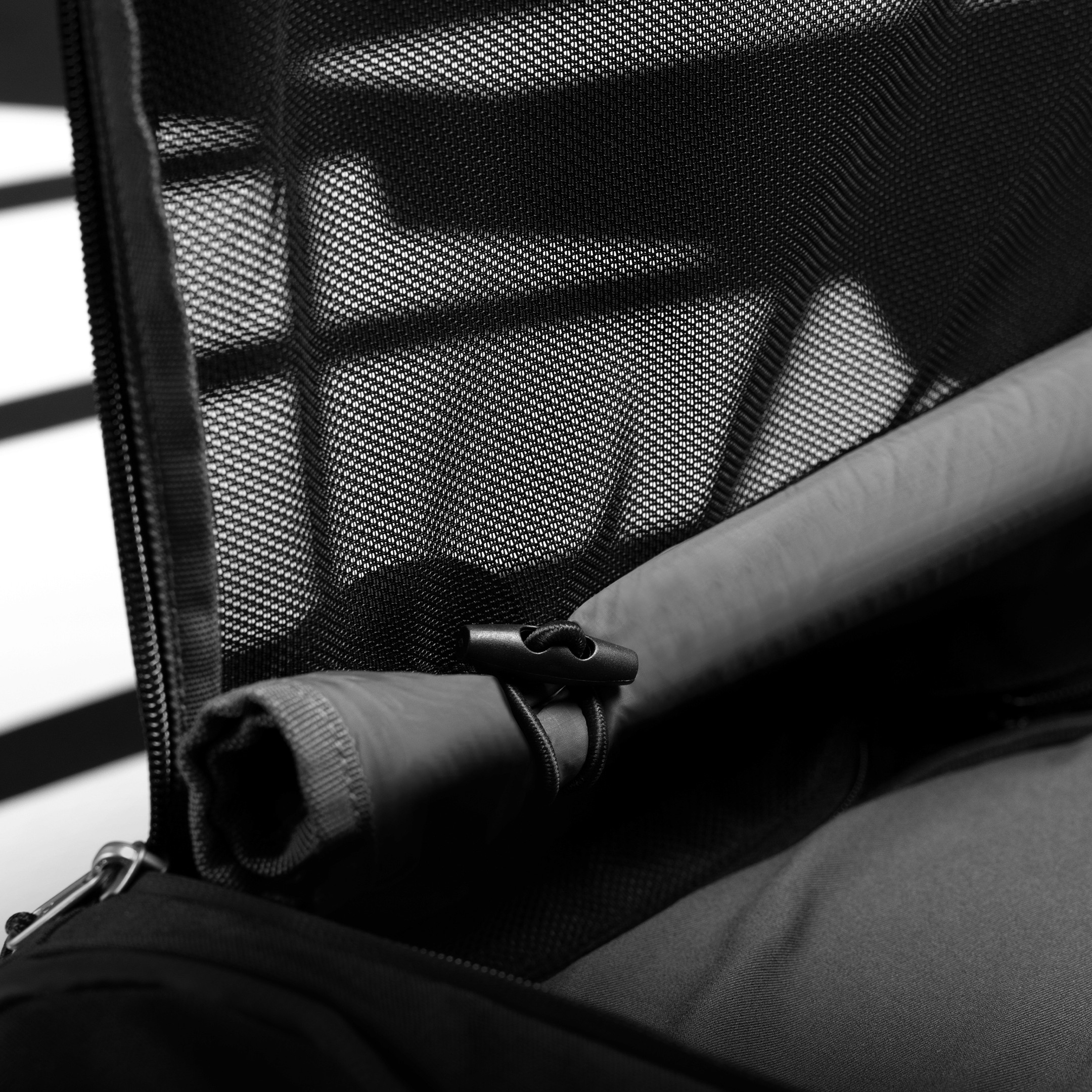
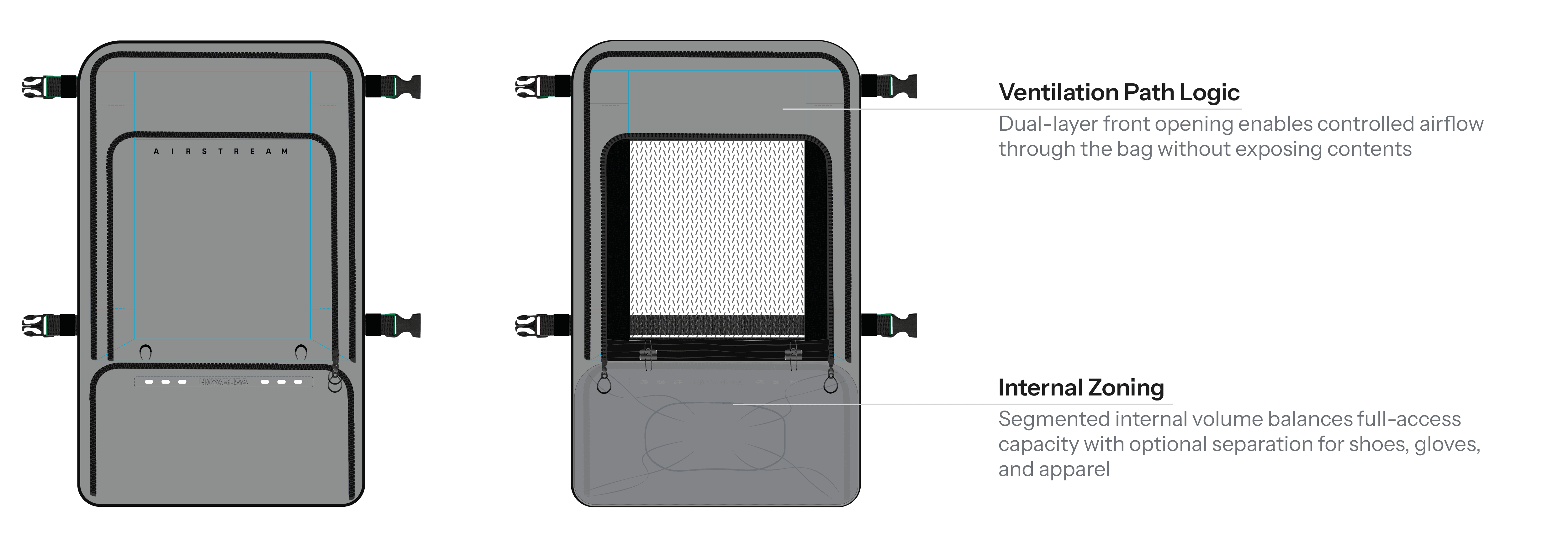
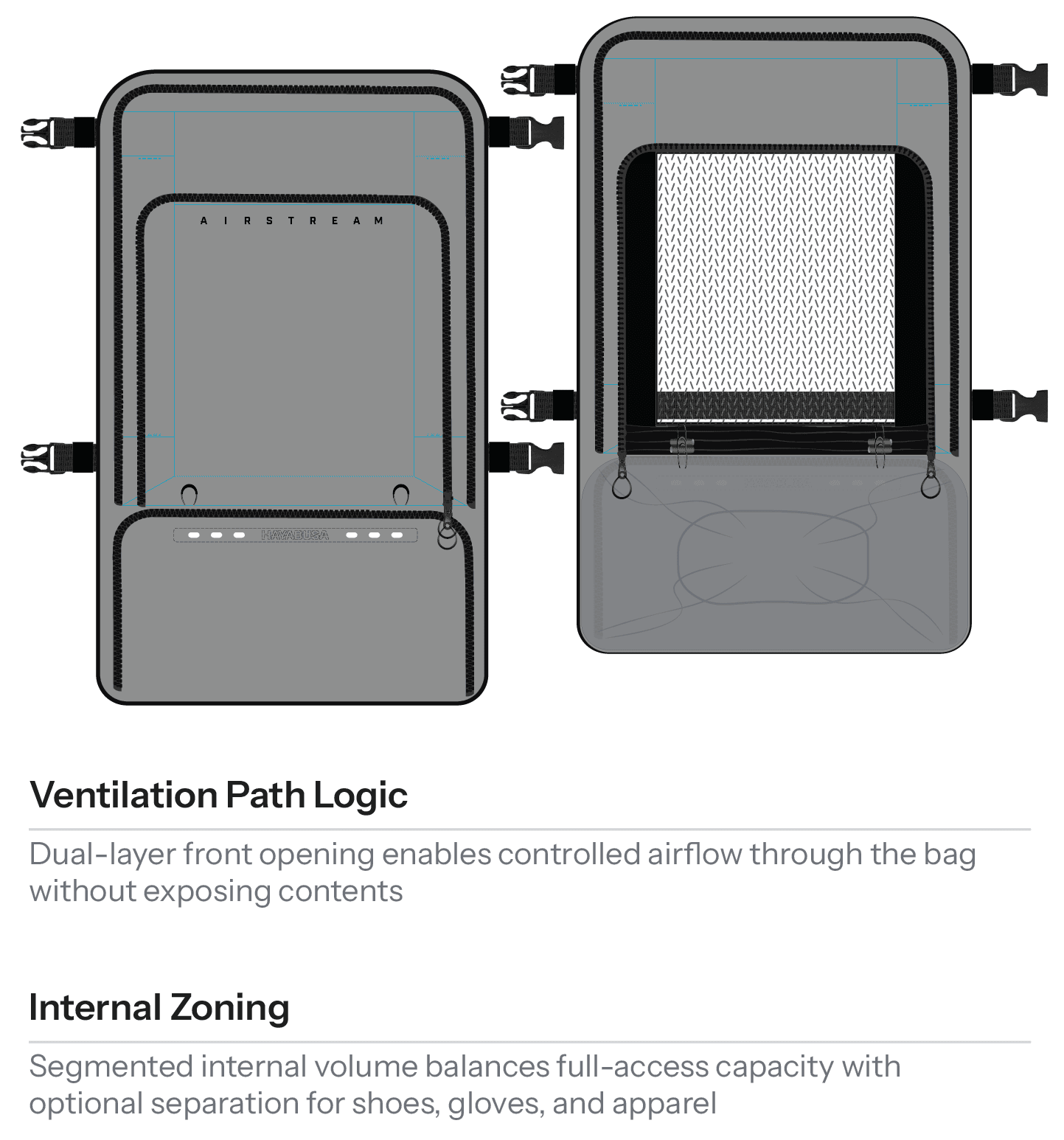
This principle directly informed the Airstream system, translating tent-style dual closures into a scalable carry solution. By pairing a protective inner panel with a breathable mesh exterior, the system allows users to actively choose between sealed protection, partial, and full ventilation, regardless of bag format.
Few bags use controlled dual-layer airflow systems. That insight emerged through studying camping tents, where ventilation manages airflow without exposing contents to the elements.
Translating this principle into Airstream, a protective inner panel pairs with a breathable outer layer, allowing athletes to choose between sealed protection and controlled ventilation.
Concept Refinement | Defining the system
Concept Refinement
Integrating ventilation, organization, capacity, and durability into a cohesive architecture
As the concept matured, the focus shifted from individual forms to defining a repeatable system.
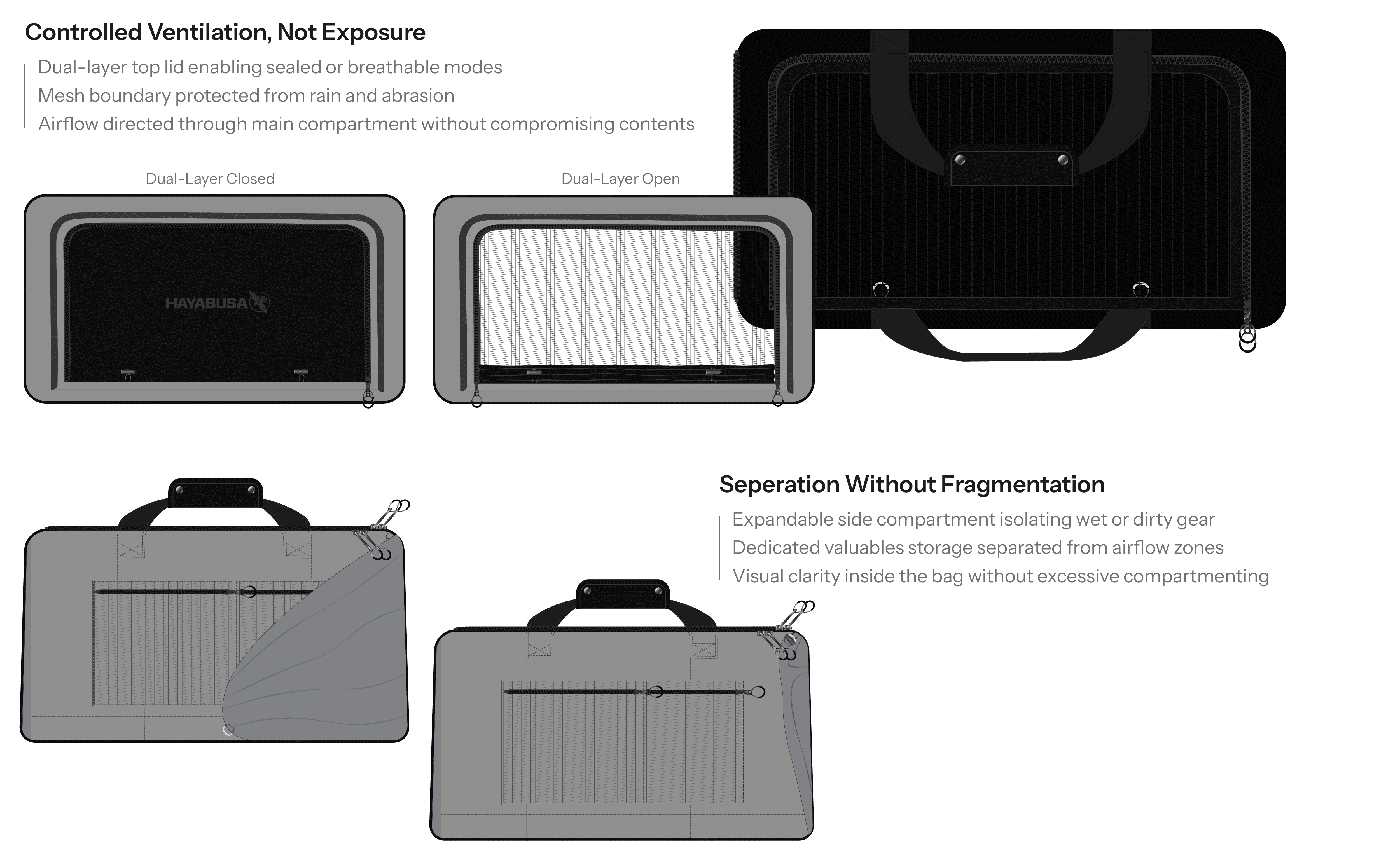
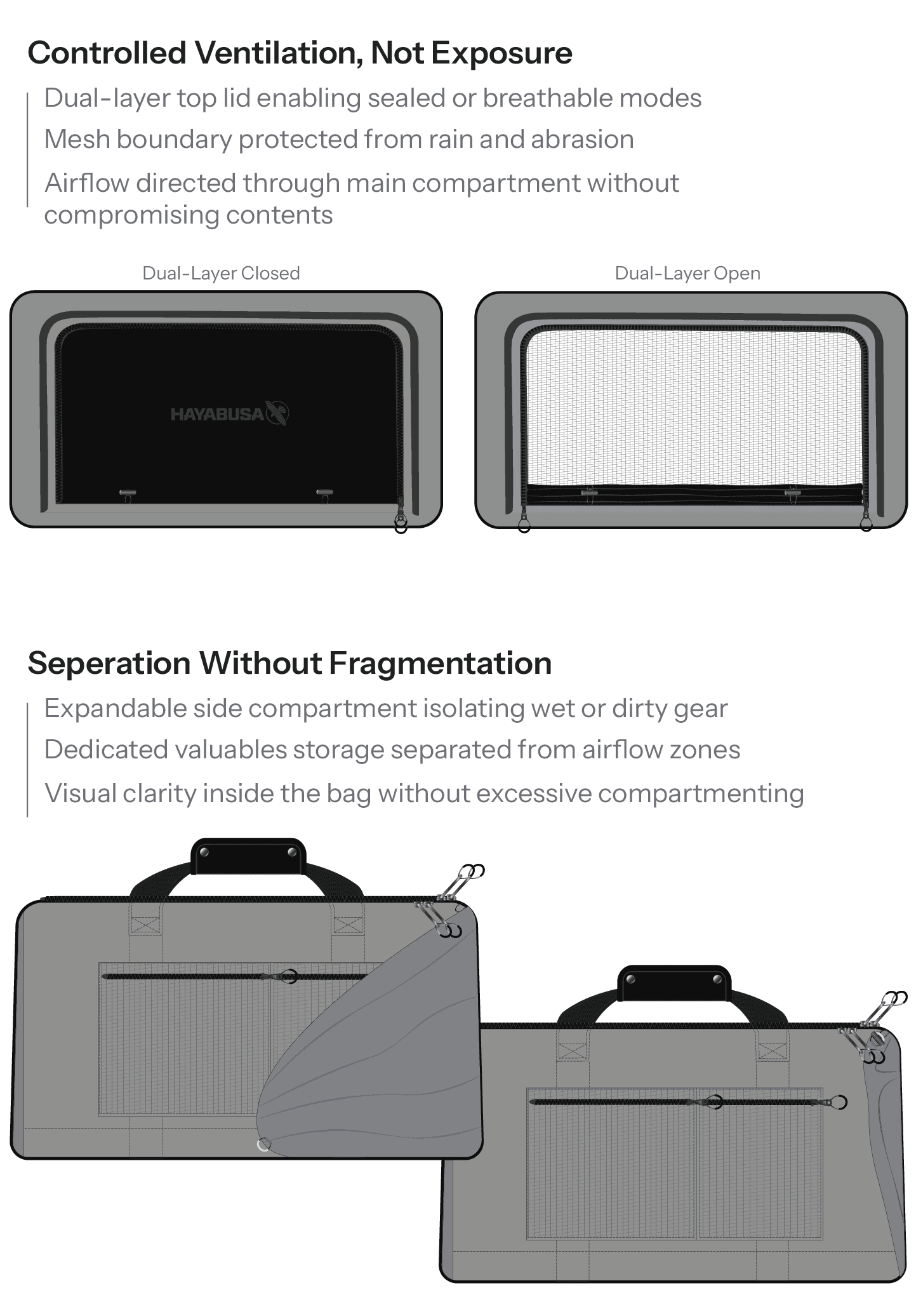
The goal was to establish a ventilation architecture that could control airflow, manage separation between wet and dry gear, and integrate seamlessly into different carry formats. Rather than designing isolated compartments, each component was developed as part of an interconnected system balancing breathability, protection, and construction feasibility before entering sampling.
As the concept matured, the focus shifted from individual features to defining a repeatable system.
The objective was to establish a ventilation structure that controlled airflow while maintaining clear separation between wet and dry gear. Rather than designing isolated compartments, each component was developed as part of an interconnected system balancing breathability, protection, and manufacturability.
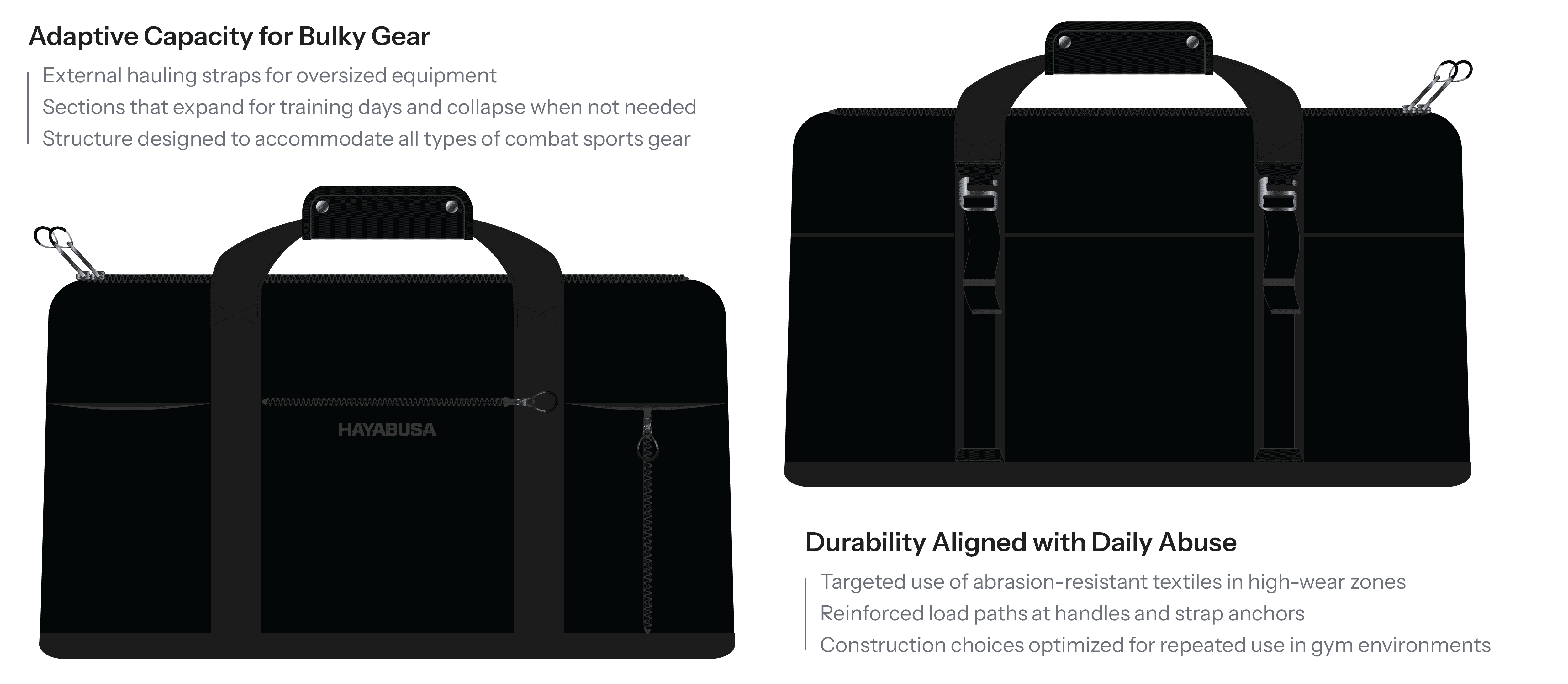
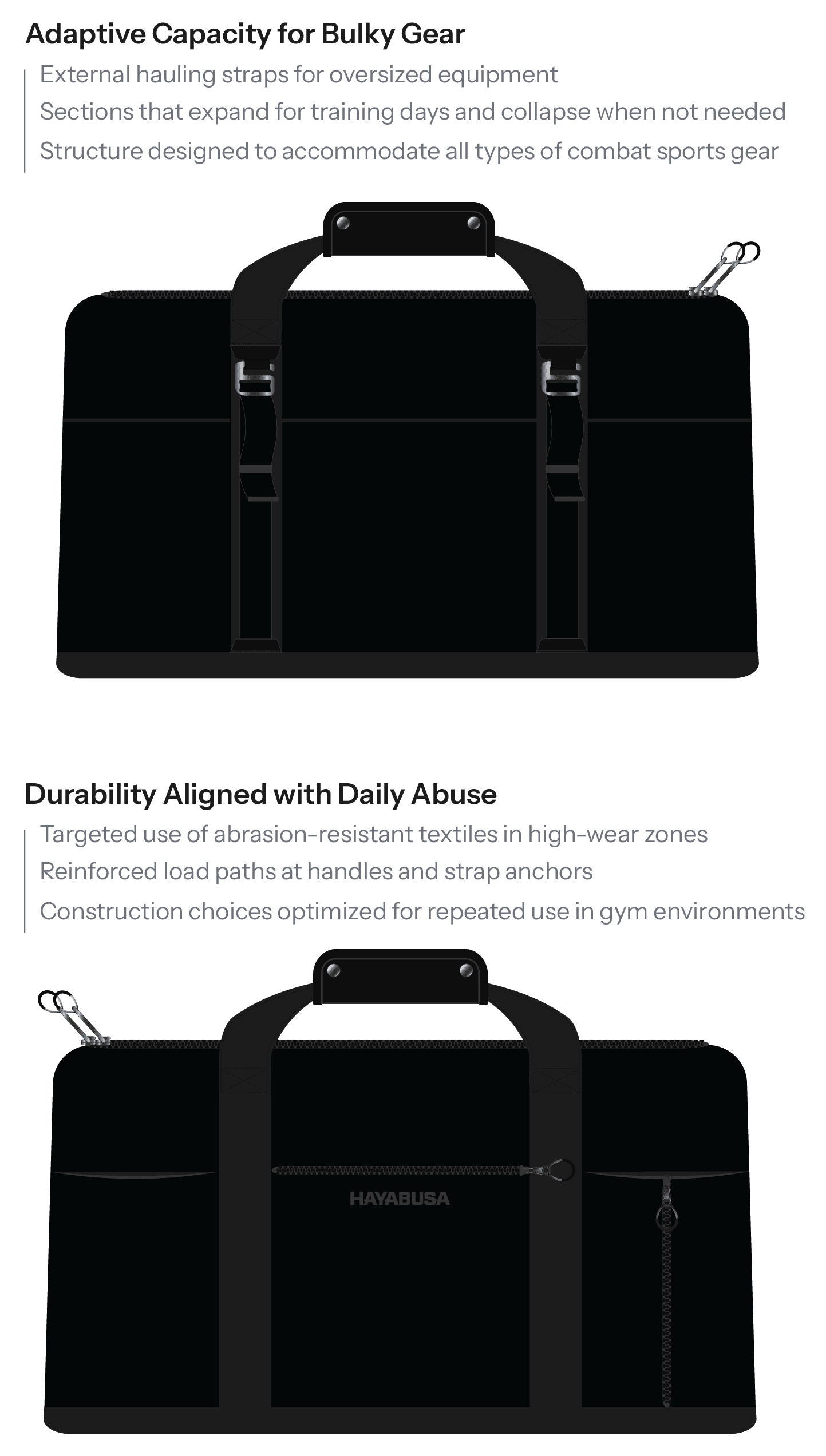
Summary
The tent-inspired dual zipper ventilation system emerged as the strongest solution because it gave athletes control over airflow while maintaining full protection when needed. Combined with modular compartments and high-capacity storage, the final concept directly addressed the pain points identified in research.
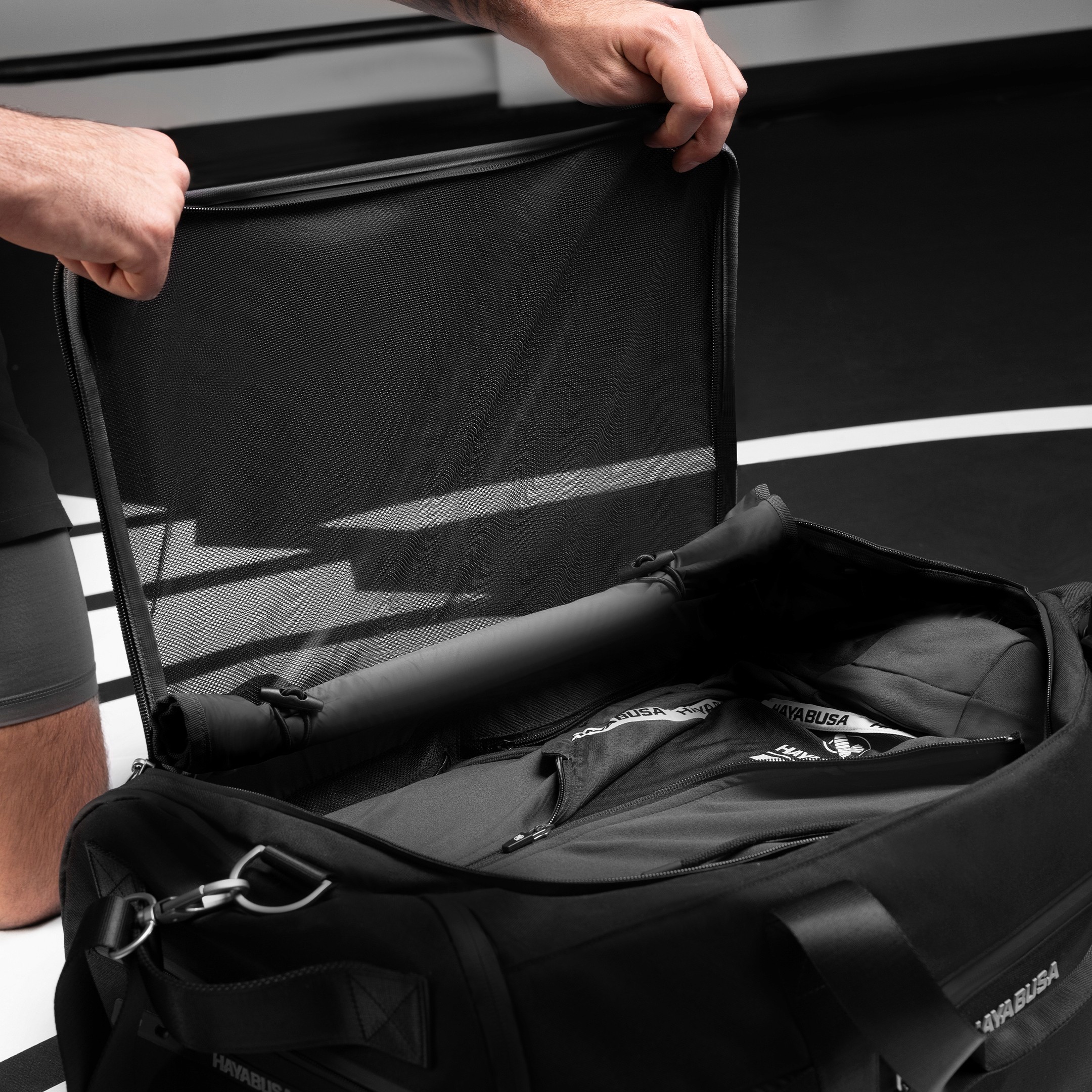
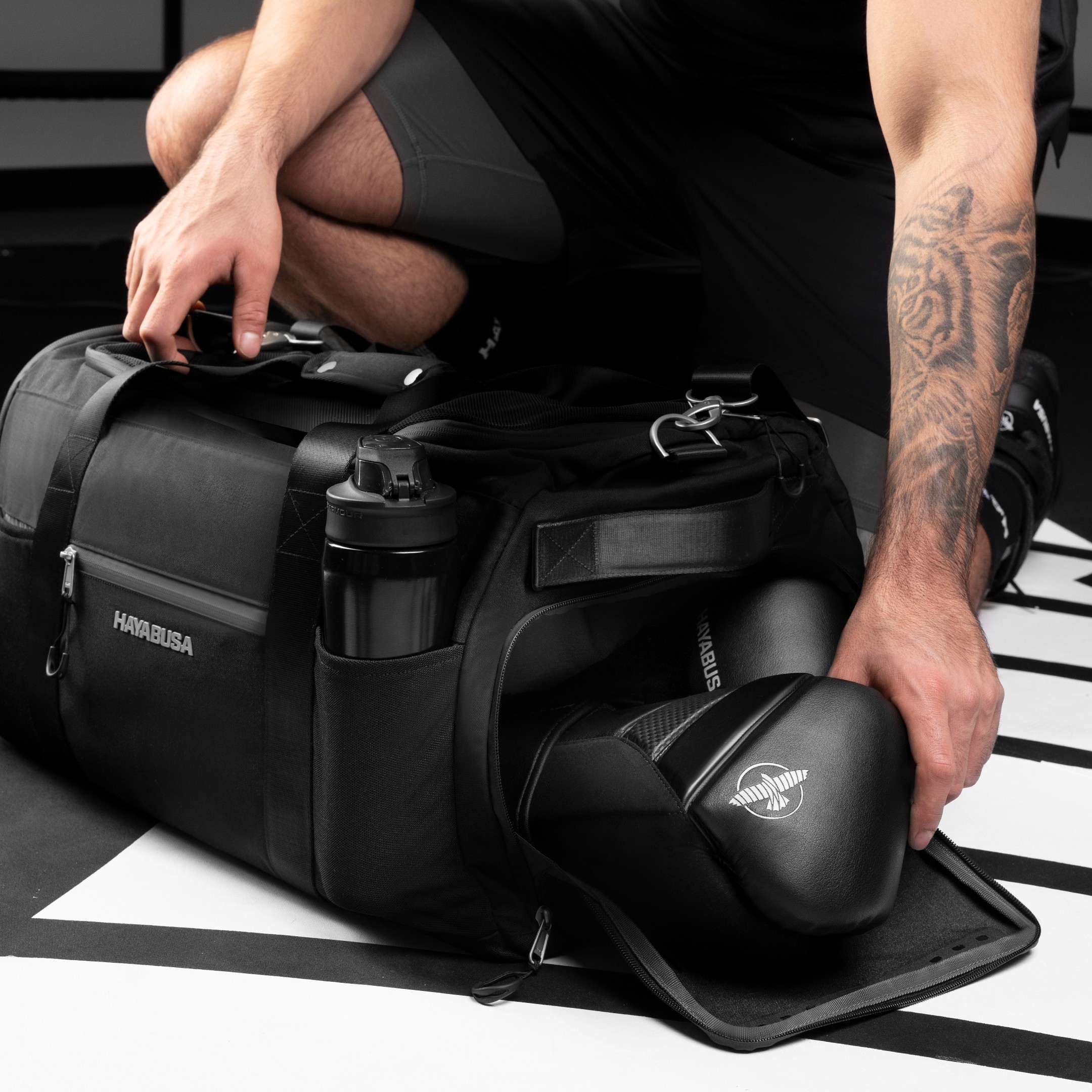
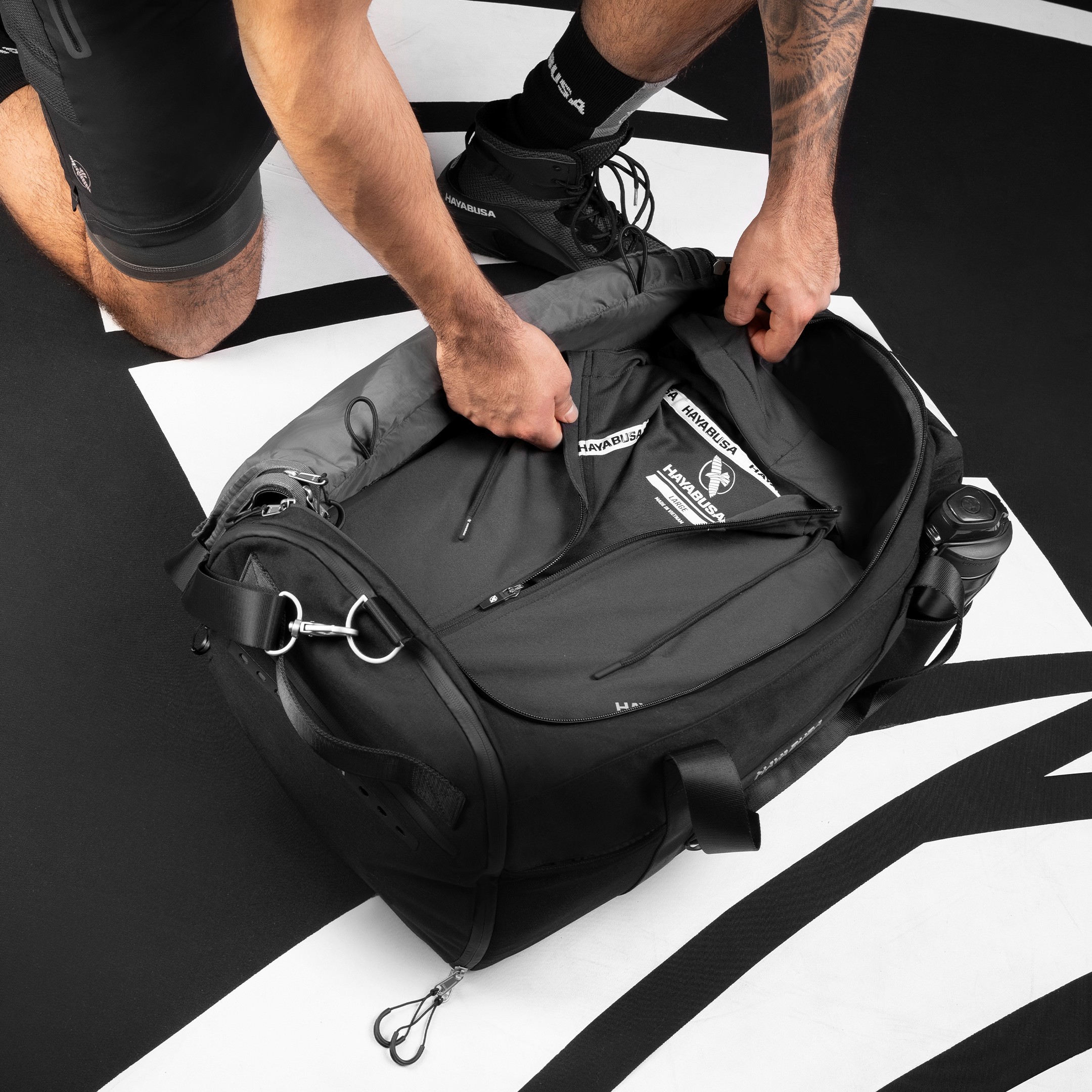
Airstream Duffle | Final Design
Inspired by athletes who demand both protection and performance
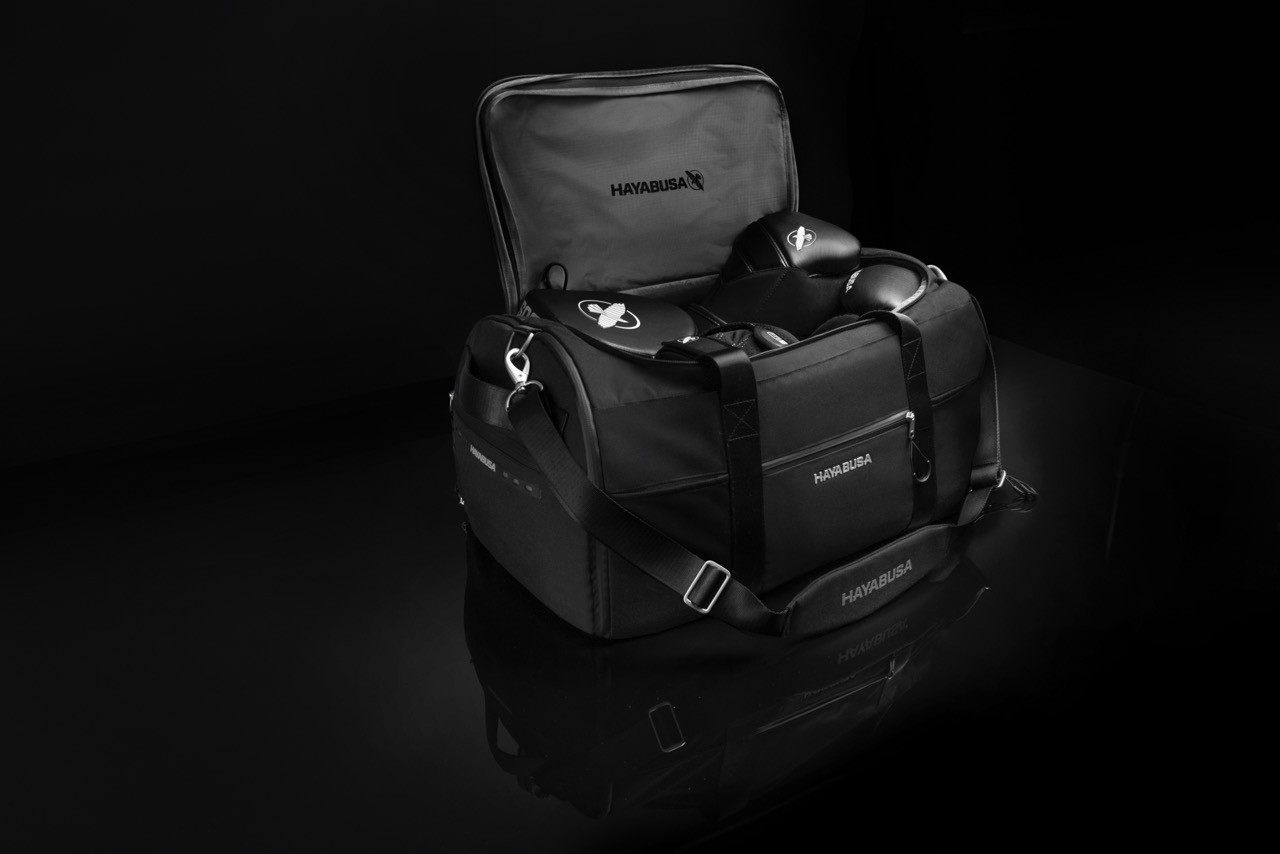
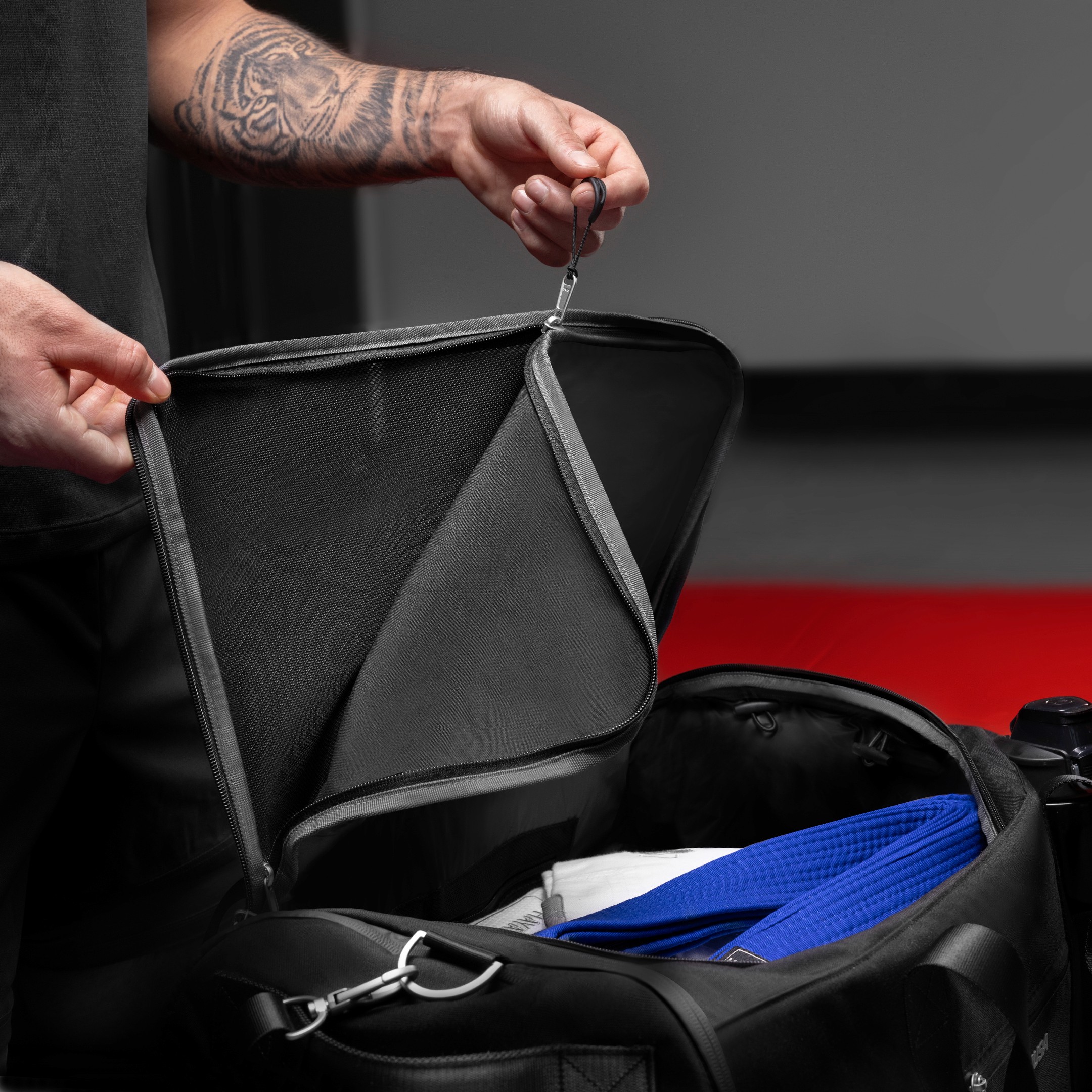
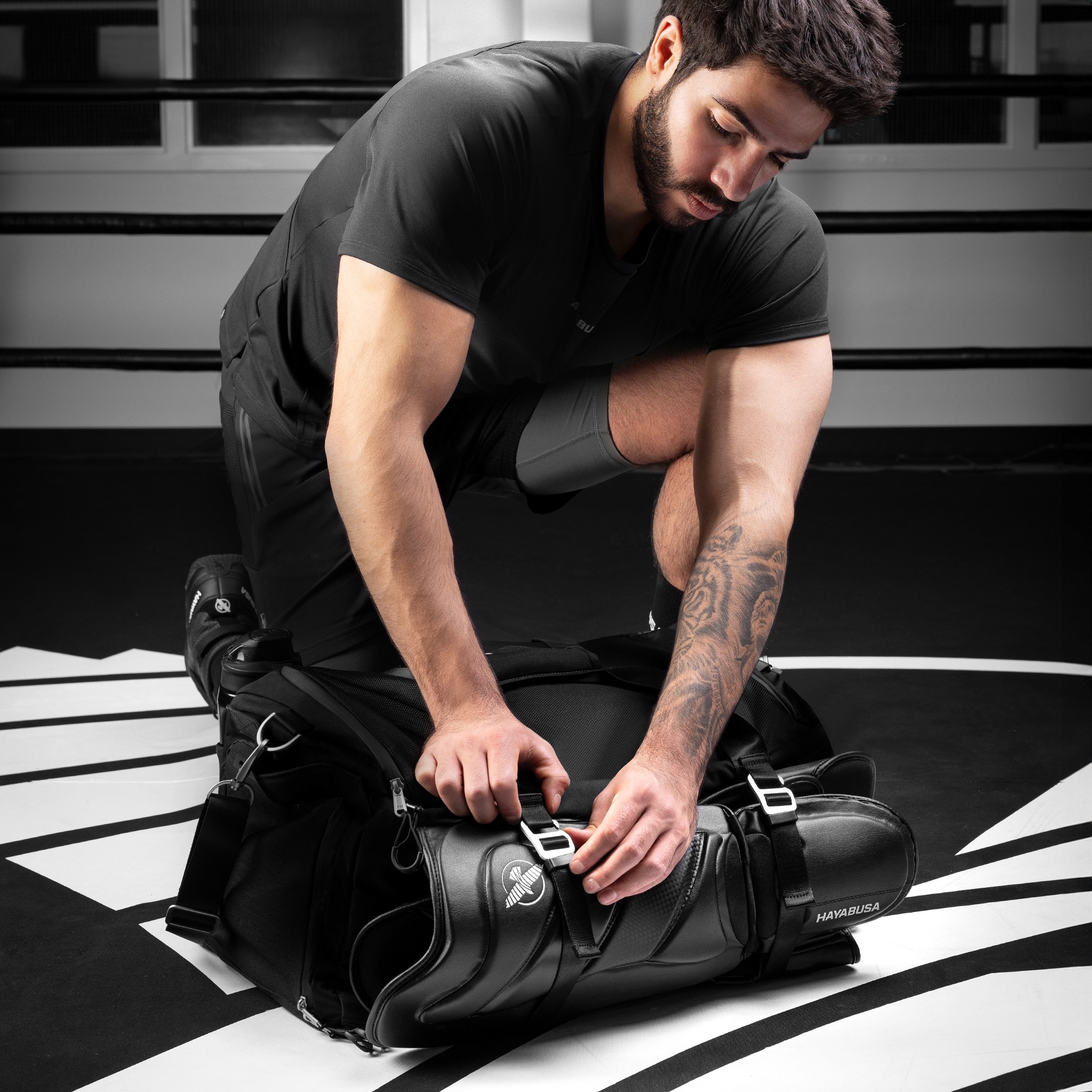
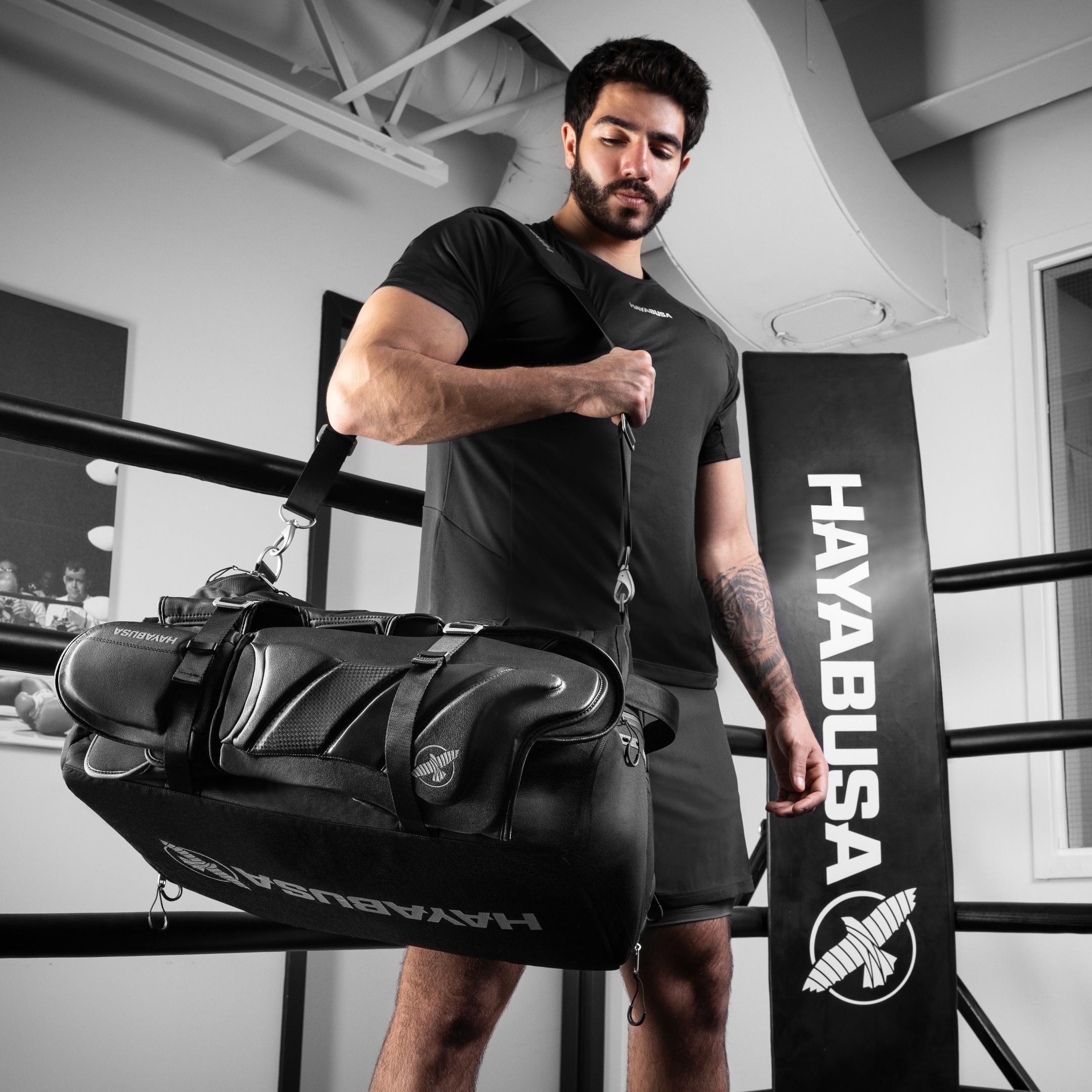
The final duffle design validated the Airstream carry system in a production environment, confirming airflow performance, organizational clarity, and durability under daily training use.
This launch established the foundation for extending the system into more complex carry formats.
The final duffle design validated the Airstream carry system in a production environment, confirming airflow performance, organizational clarity, and durability under daily training use.
This launch established the foundation for extending the system into more complex carry formats.
With the system validated in a controlled carry format, the next phase focused on adapting the architecture to a fully load-bearing, body-contact backpack.
Evolving the Airstream System
Translating a proven duffle architecture into a multifunctional, body-worn carry solution
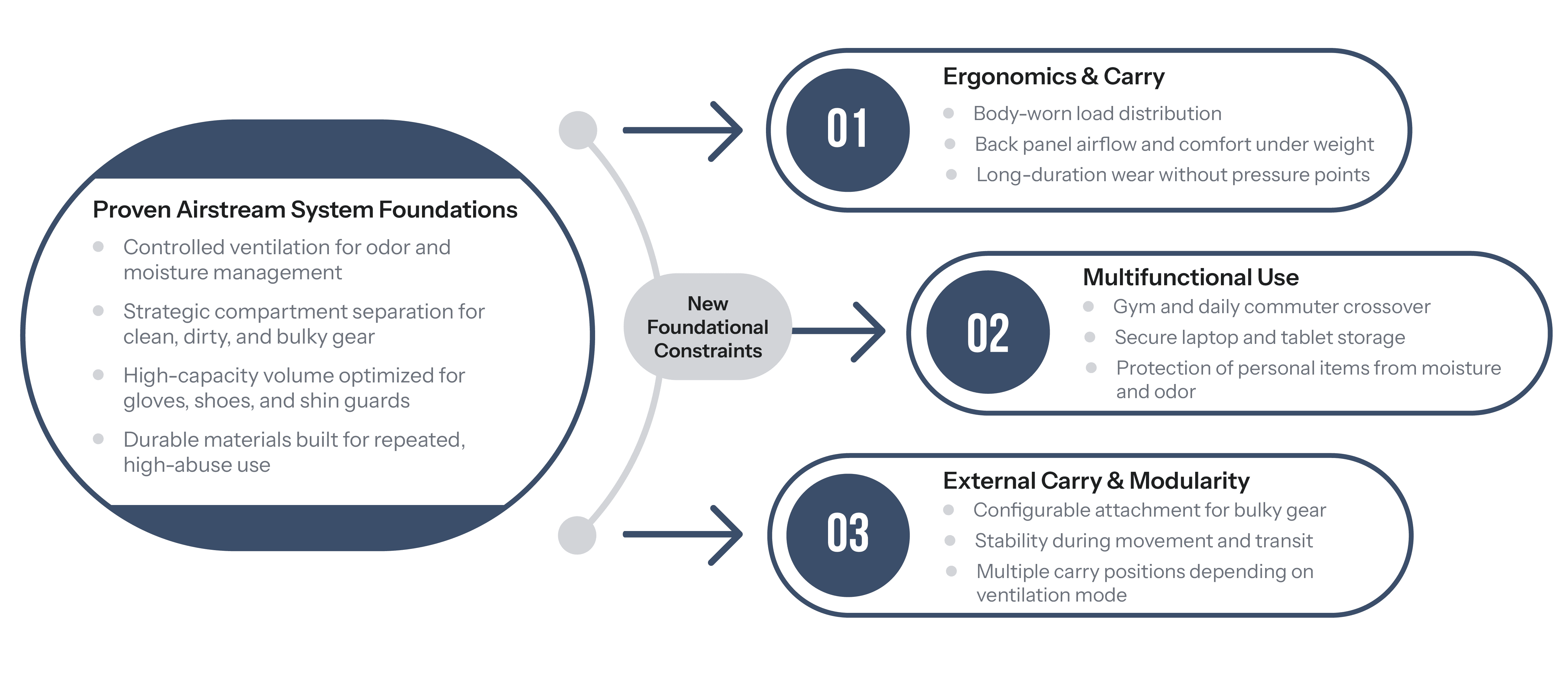
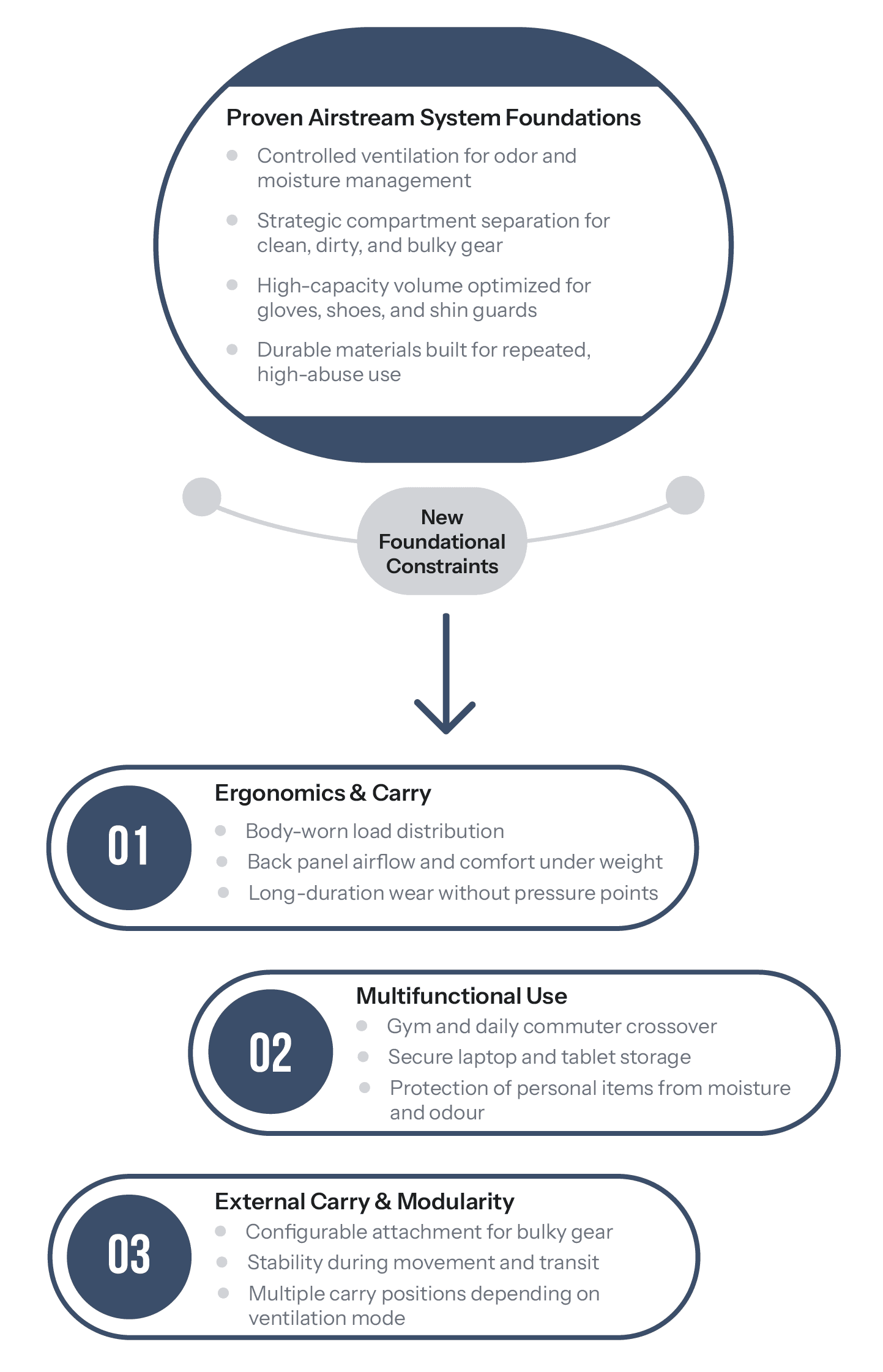
The Airstream Duffle established a flexible system for managing bulky combat gear, ventilation, and separation. Transitioning that system into a backpack introduced new functional demands around ergonomics, load distribution, and daily carry use. Rather than rethinking the concept, the challenge became expanding the system to perform across new contexts without compromising its core principles.
The Airstream Duffle defined a flexible ventilation and separation architecture. Translating it into a backpack introduced new constraints around ergonomics and load distribution. The goal was to evolve the system for body-worn performance without compromising its foundation.
Design Implications
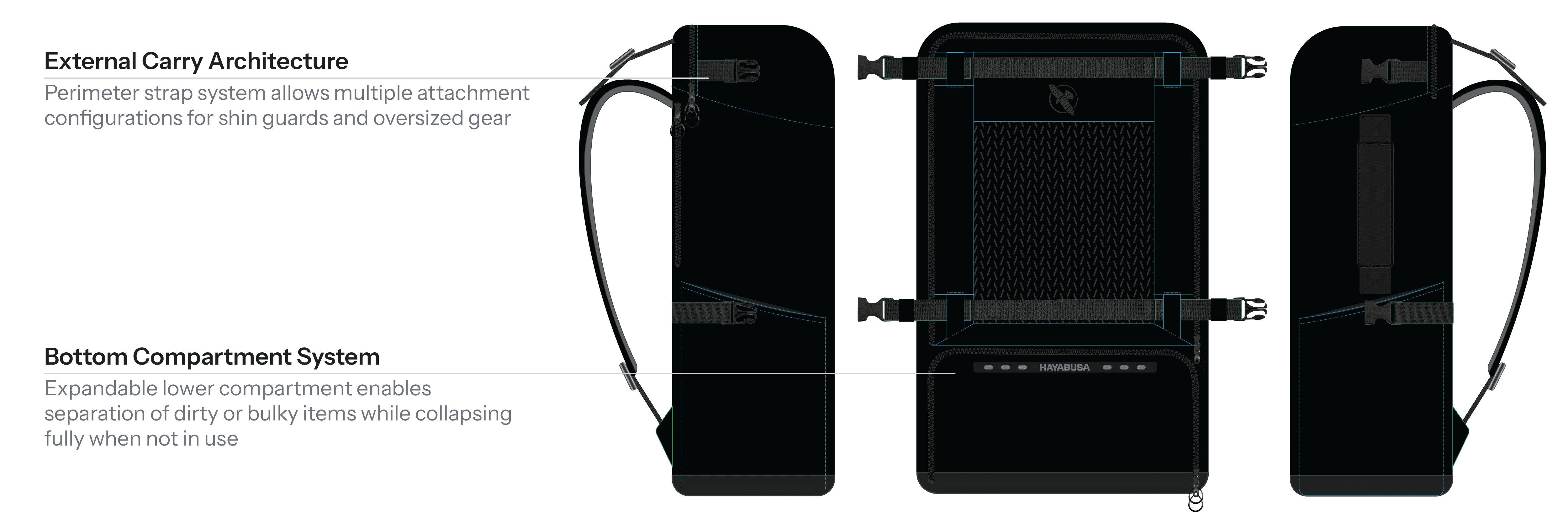
Internal zoning had to balance full-volume access with optional separation.
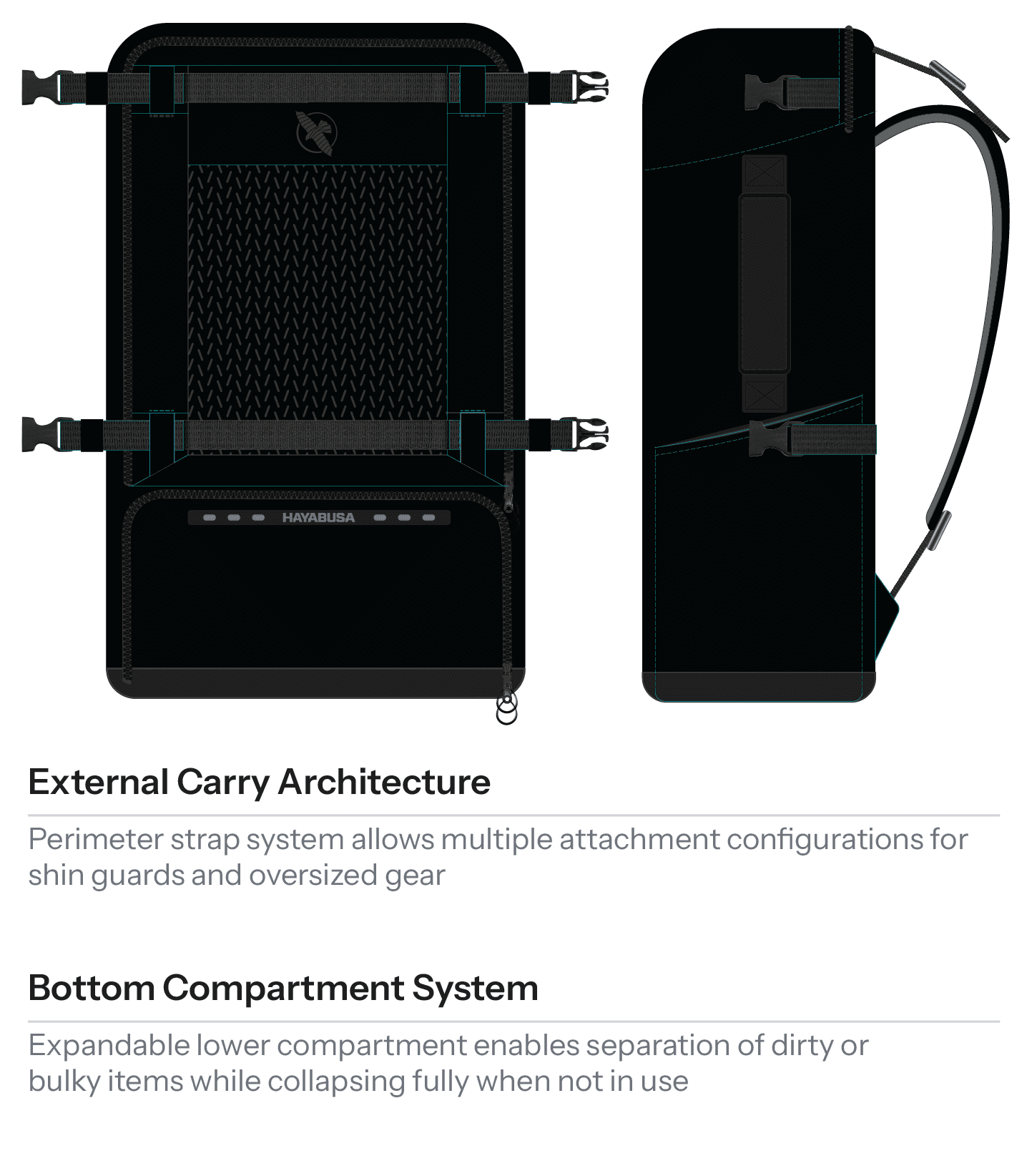
External carry systems needed to adapt dynamically to gear size and airflow modes.
Structural paneling had to support bulky loads while maintaining a clean, rectangular form.
System Architecture & Layout Definition
Organizing ventilation, carry, and separation within a load-bearing backpack
With system constraints defined, the Airstream Backpack was architected around internal zoning, external attachment logic, and load distribution. Early definition focused on organizing gear separation, ventilation pathways, and carry ergonomics within a compact, body-worn form, ensuring the system could adapt between training, commuting, and travel use.
With system constraints defined, the Airstream Backpack was structured around internal zoning, external attachment logic, and load distribution. The architecture organized gear separation, ventilation pathways, and ergonomics within a compact, body-worn form designed to adapt across training, commuting, and travel.
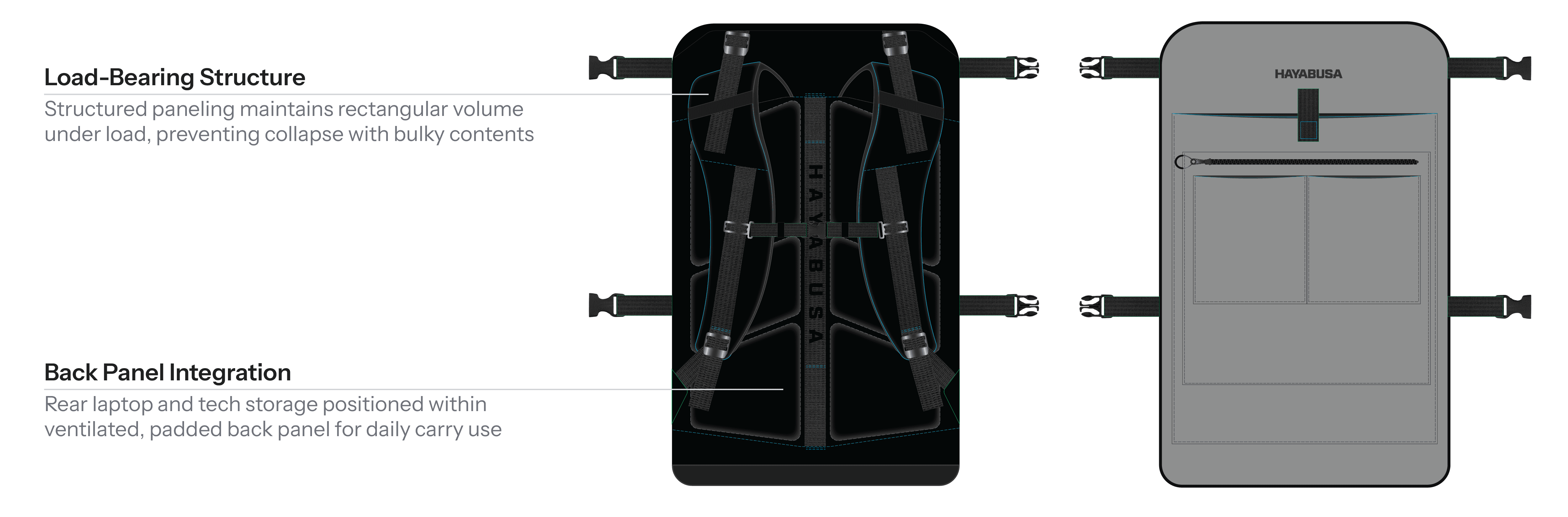
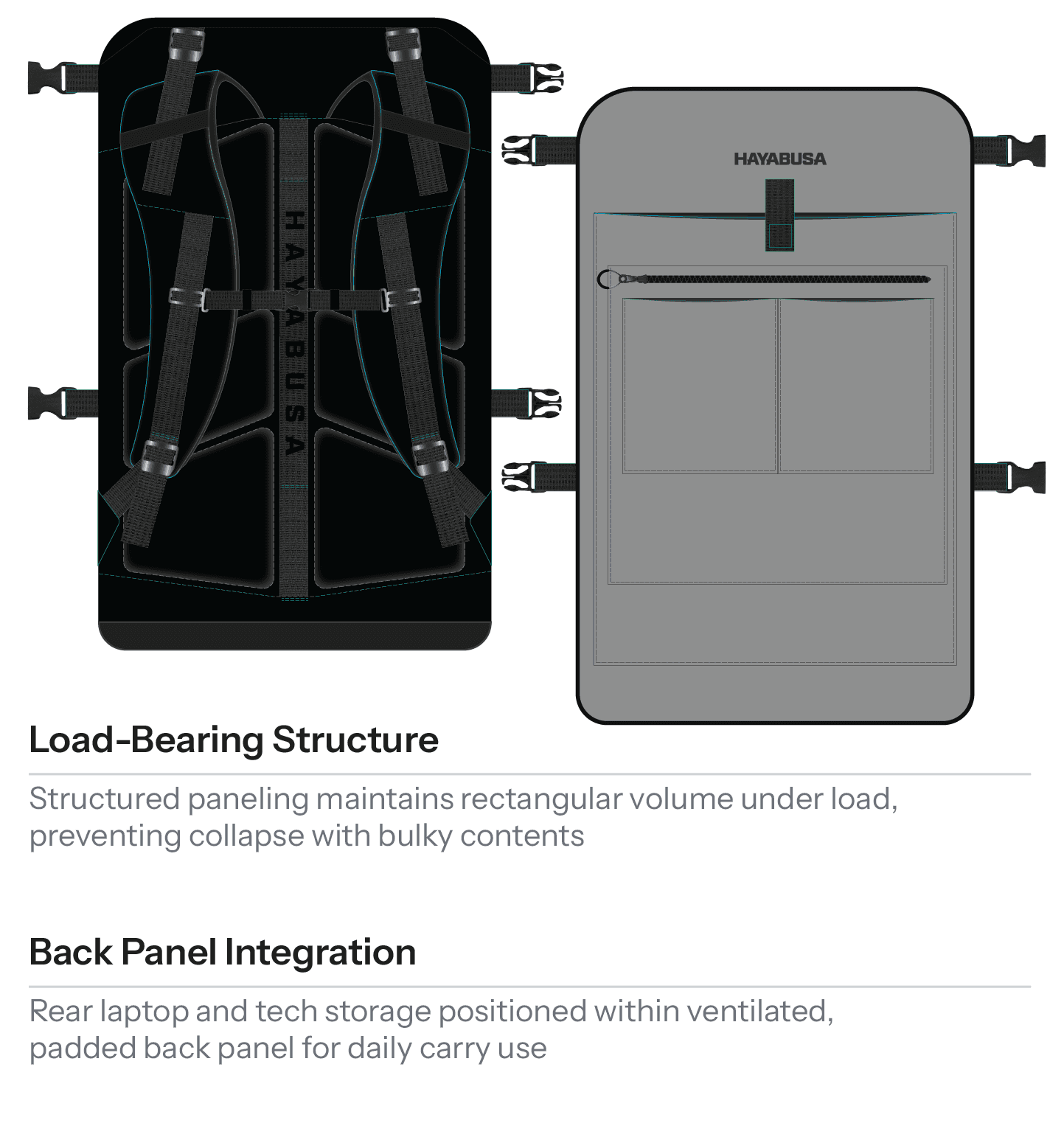
With the system architecture defined, refinement shifted to resolving construction details and validating performance through physical samples.
Functional Refinement & Validation
Optimizing performance through targeted sampling and real-world testing
Following system definition, the Airstream Backpack was refined through focused sampling and use-based validation. Refinement centered on improving load stability, accommodating a wider range of gear sizes, and reinforcing structural integrity under repeated use, while preserving the original system architecture.
The backpack was refined through focused sampling and use-based validation. Updates improved load stability, expanded gear compatibility, and strengthened structural integrity without compromising the original system logic.


Airstream Backpack | Final Design
Redefining the airstream system into a load-bearing architecture
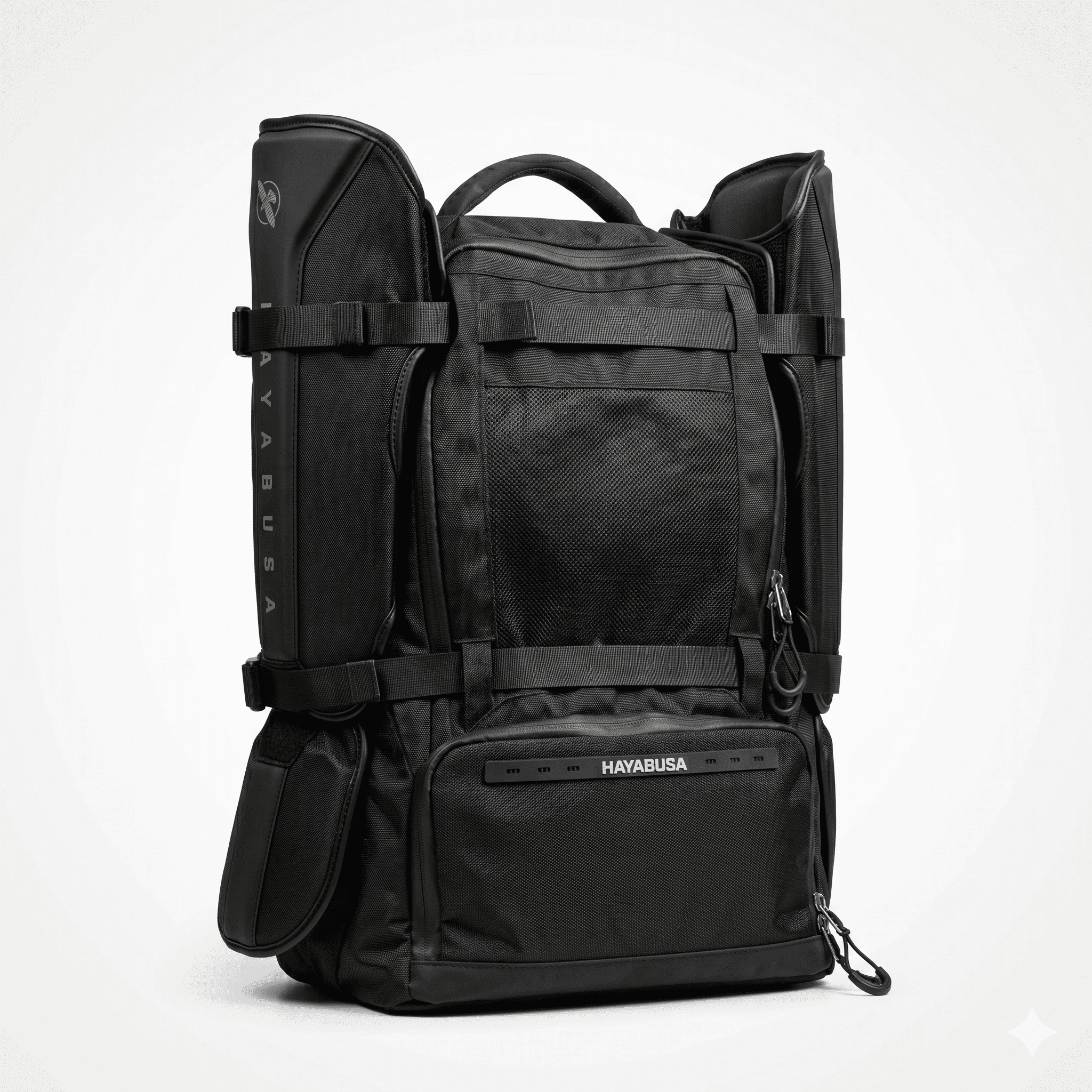
Building on the Airstream Duffle foundation, the backpack evolved the system into a more complex load-bearing architecture integrating ventilation, modular storage, ergonomic support, and adaptive external carry within a compact commuter-oriented form.
Building on the Airstream Duffle foundation, the backpack evolved the system into a more complex load-bearing architecture integrating ventilation, modular storage, ergonomic support, and adaptive external carry within a compact commuter-oriented form.


Key Takeaways
Reflections & Next Steps
Expanding the Airstream platform from a volume-based duffle into a load-bearing backpack reinforced the importance of architectural thinking in soft goods design. What began as a ventilation and separation concept evolved into a more complex structural challenge, requiring careful integration of load distribution, ergonomic comfort, and modular external carry.
The transition highlighted how small pattern and material decisions compound when products move from passive storage to body-worn systems. This project strengthened my approach to defining system logic early, protecting architectural intent through refinement, and designing with scalability in mind. The Airstream platform now exists not as a single product, but as a carry architecture capable of evolving across formats and use cases.
Expanding Airstream from a volume-based duffle into a load-bearing backpack reinforced the importance of architectural thinking in soft goods design. As the system moved from passive storage to body-worn performance, structural, ergonomic, and modular demands became increasingly complex.
This project strengthened my approach to defining system logic early and scaling it across formats. Airstream now exists as a flexible carry architecture, not a single product.